Benzhu is with us
2014 - now
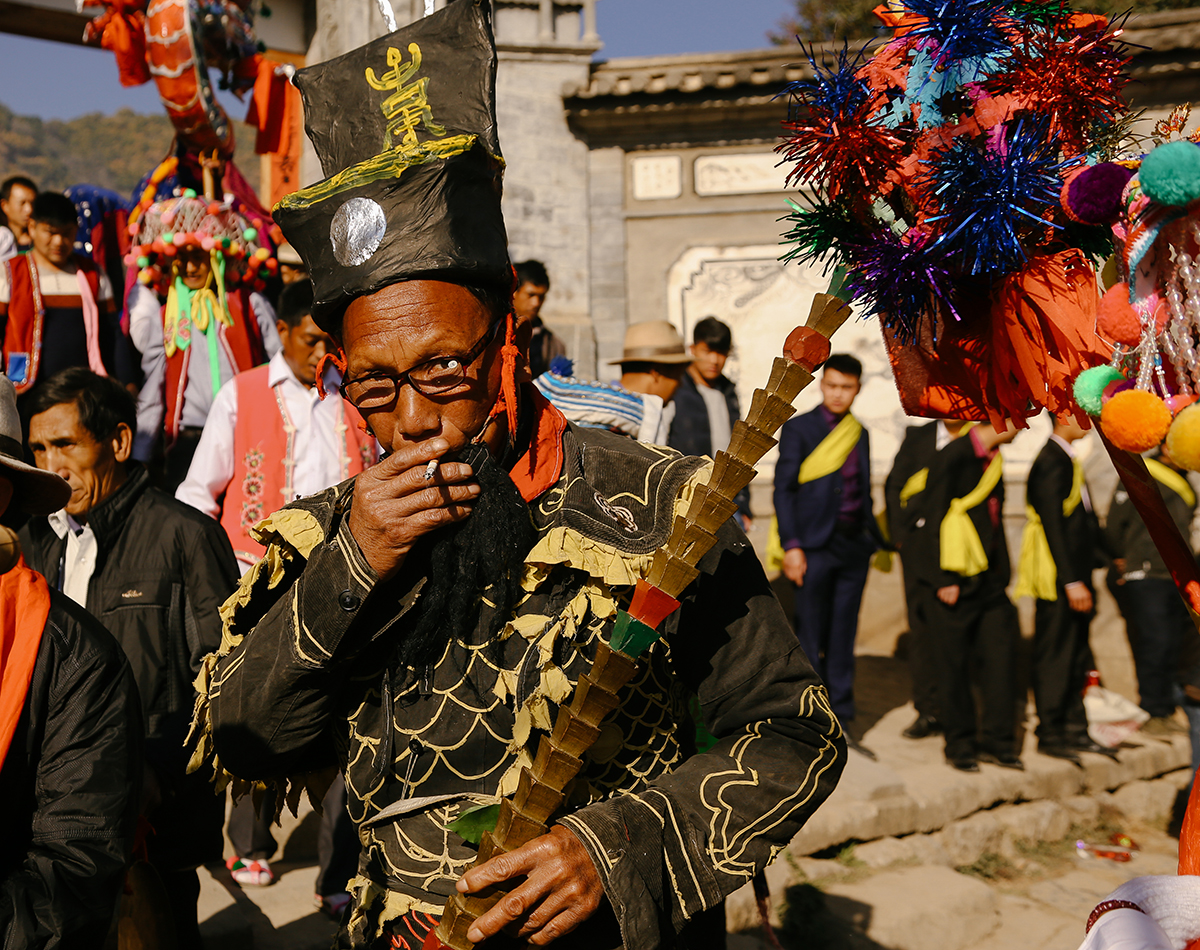
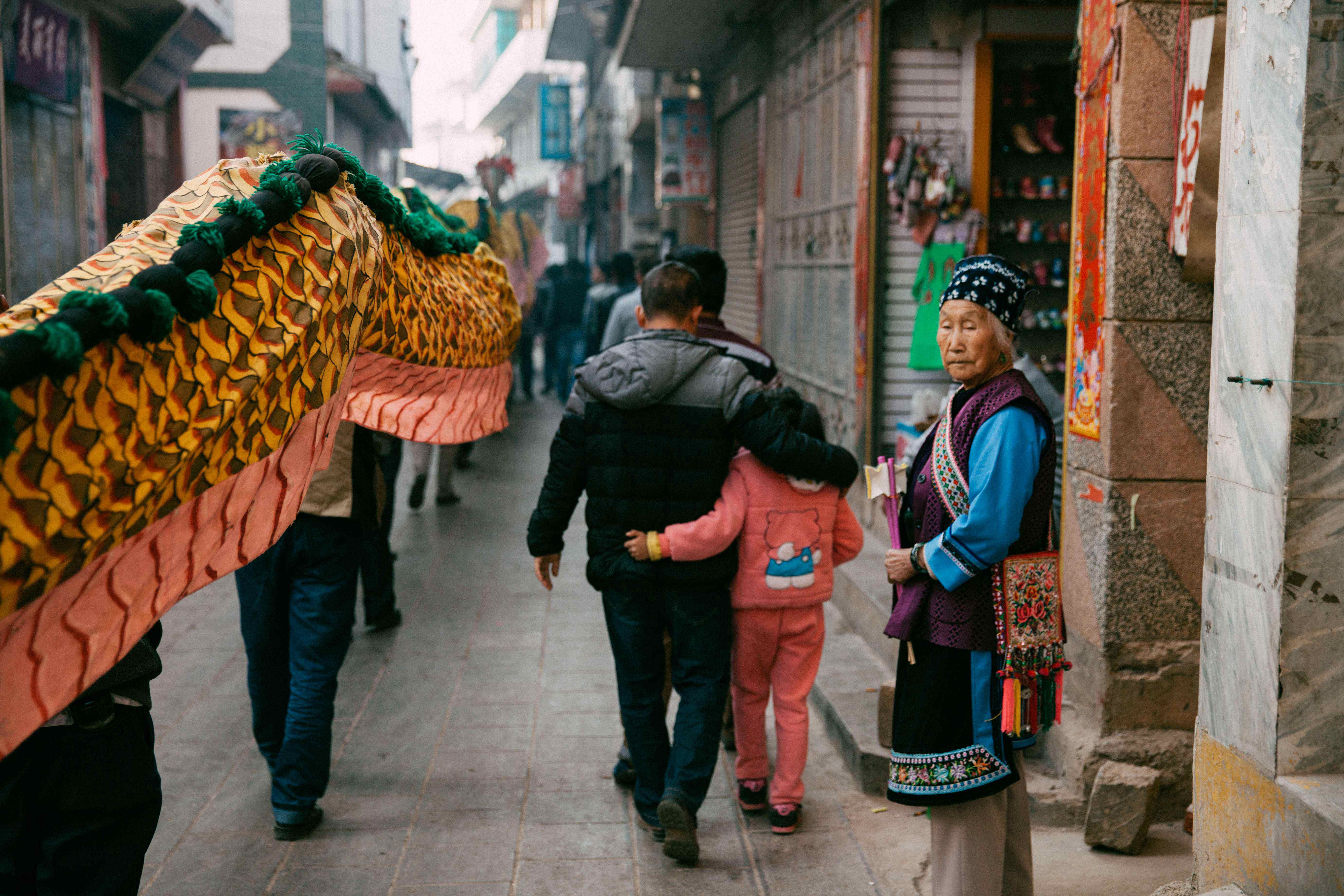
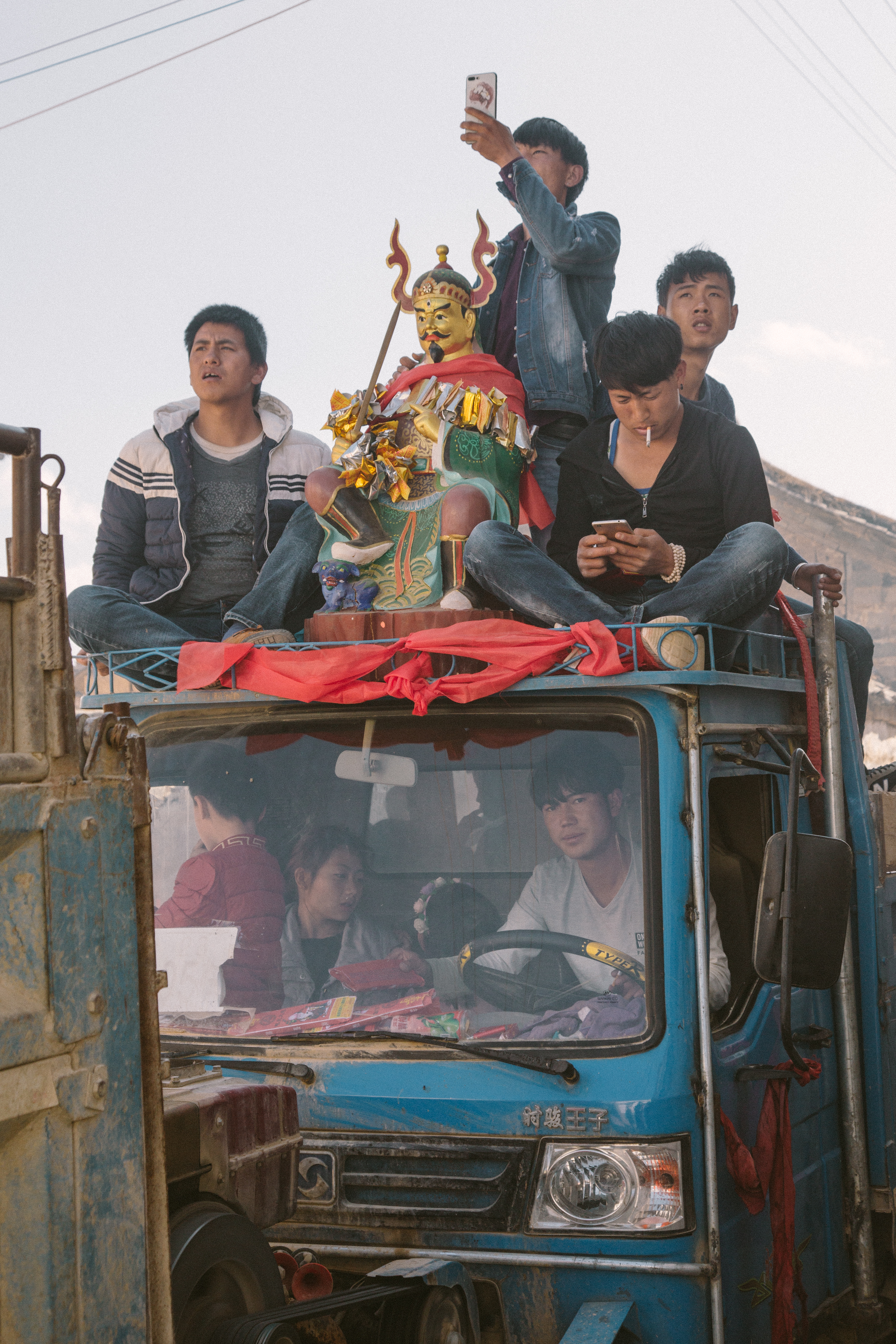
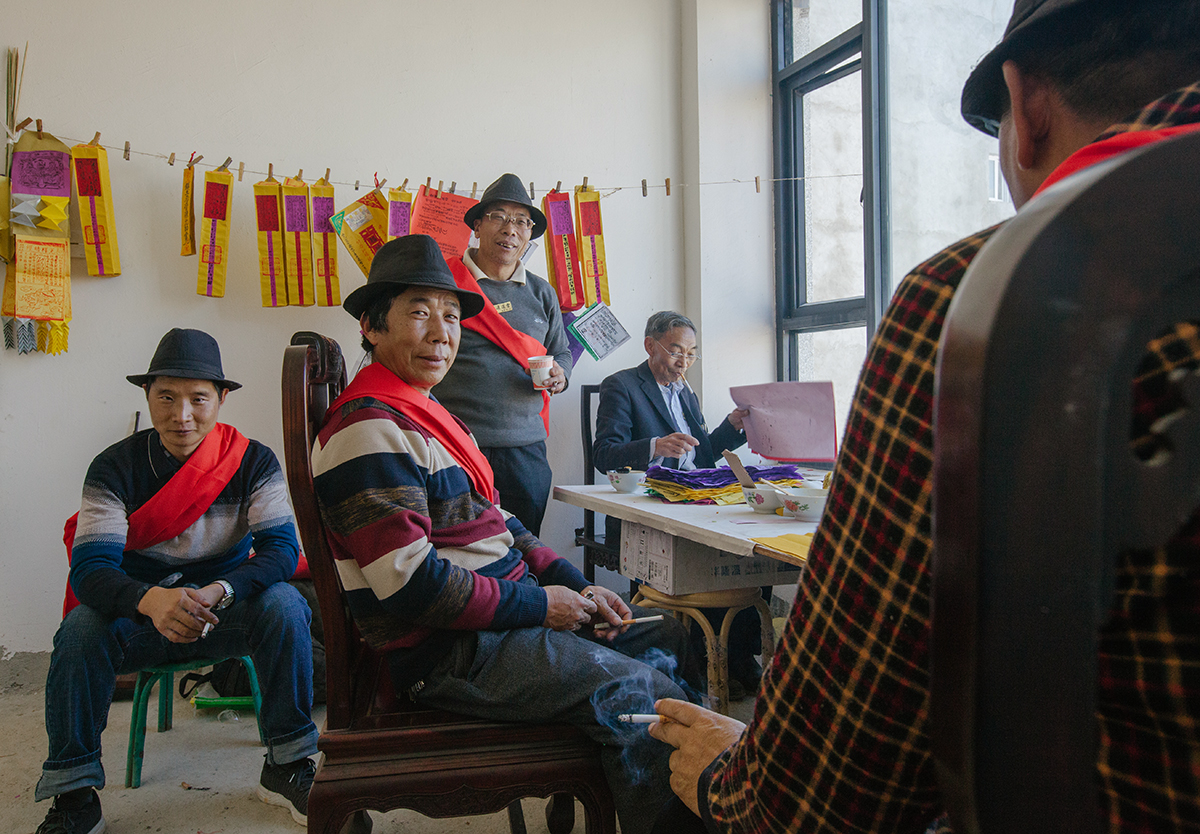
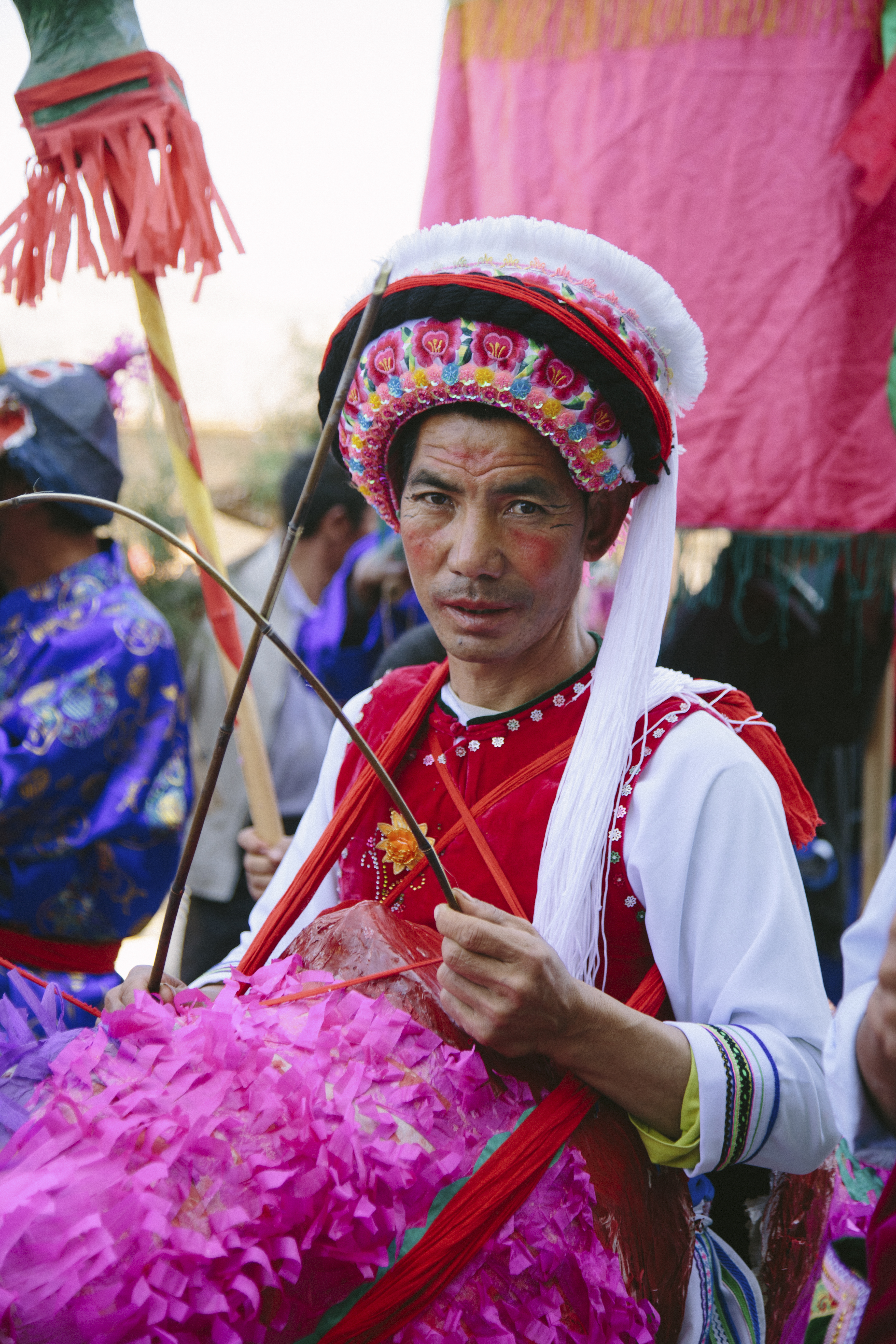
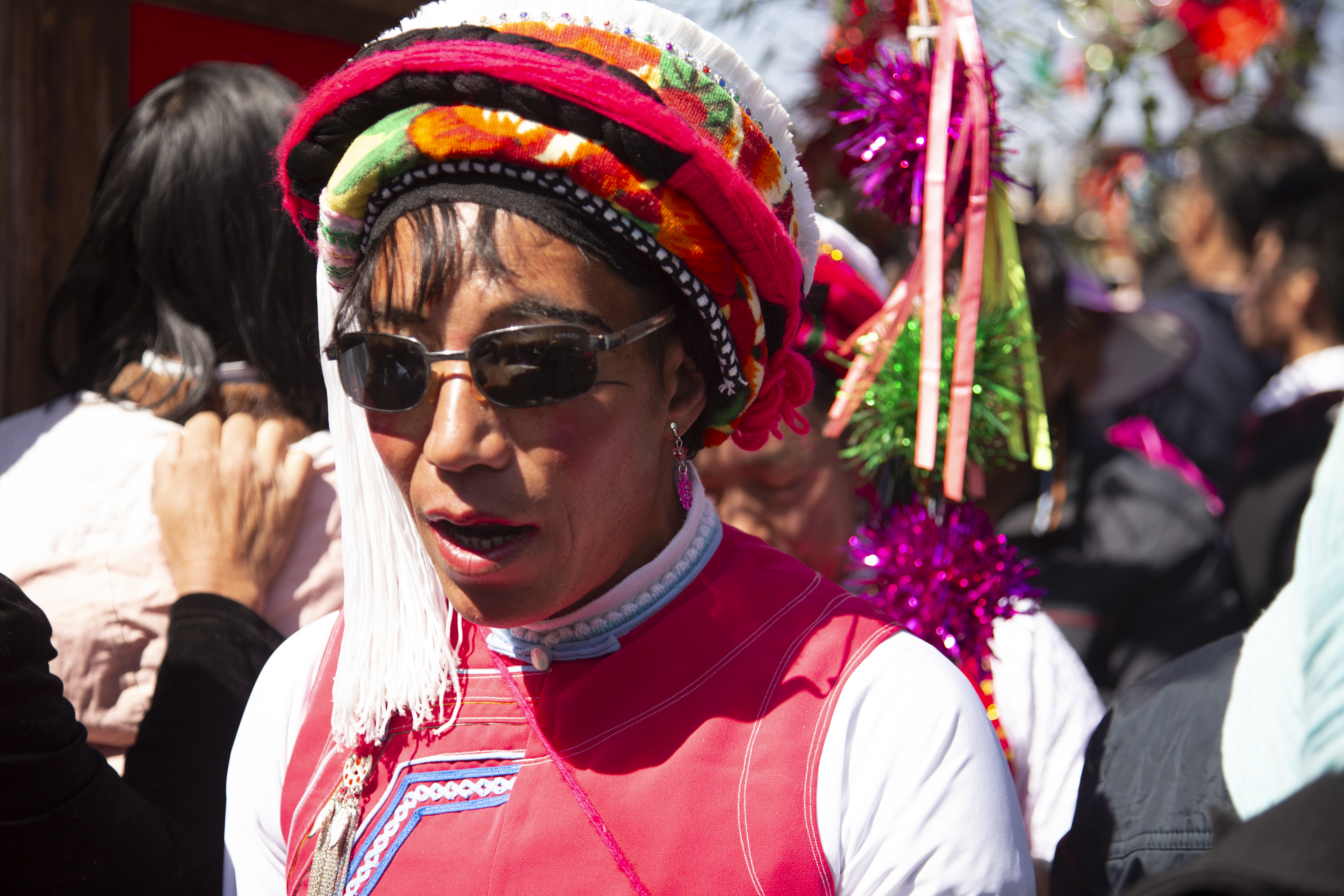
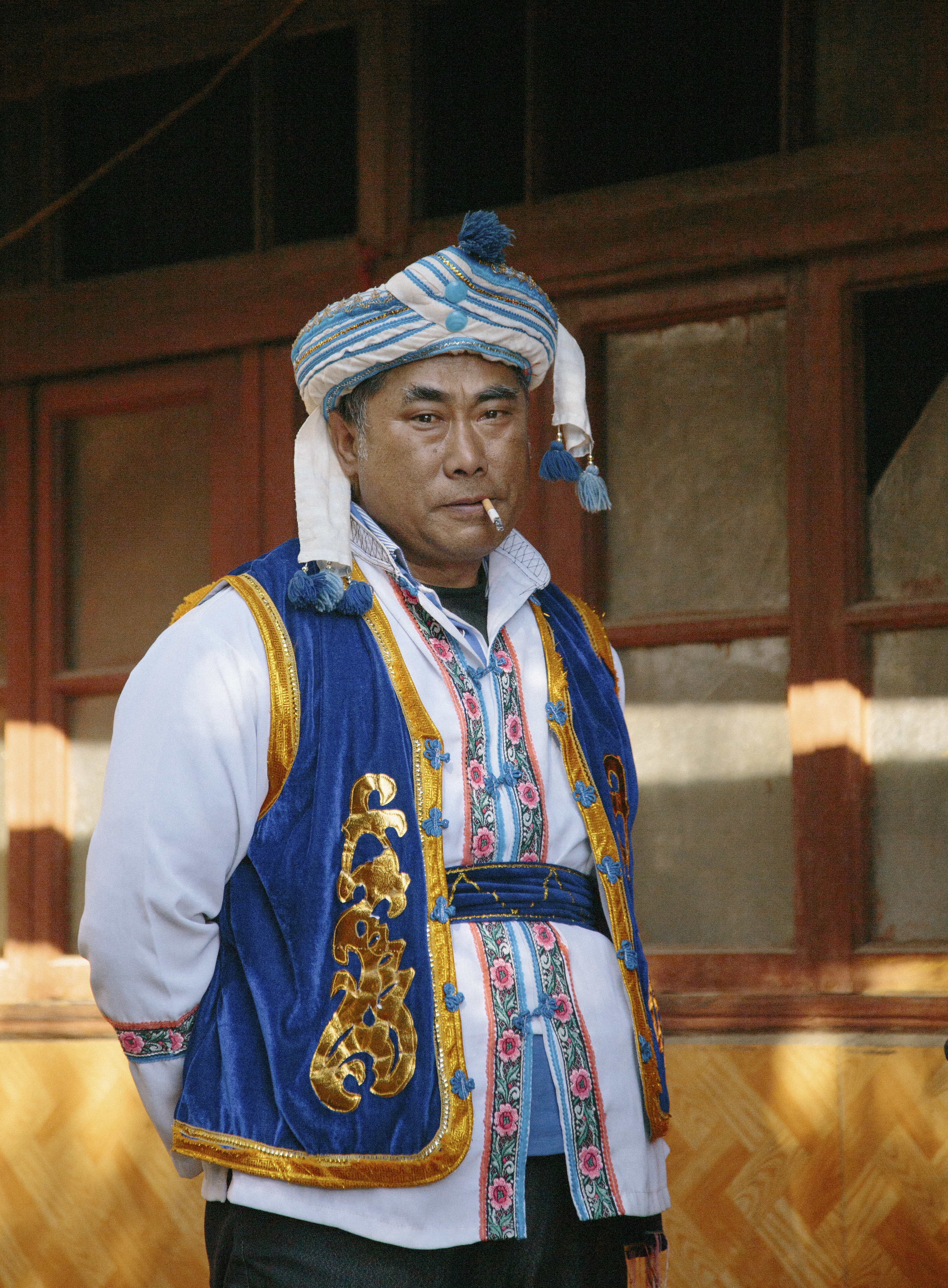
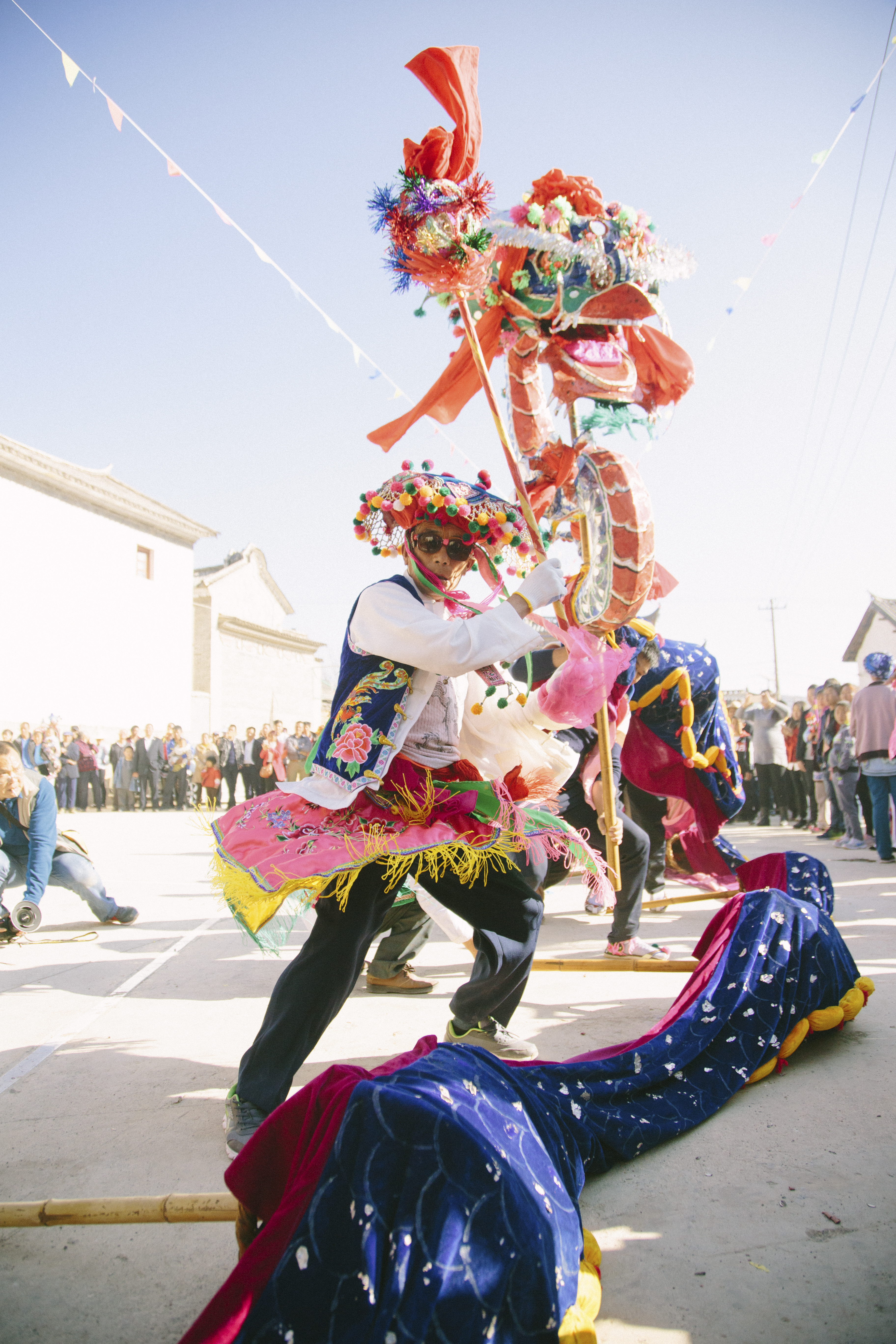
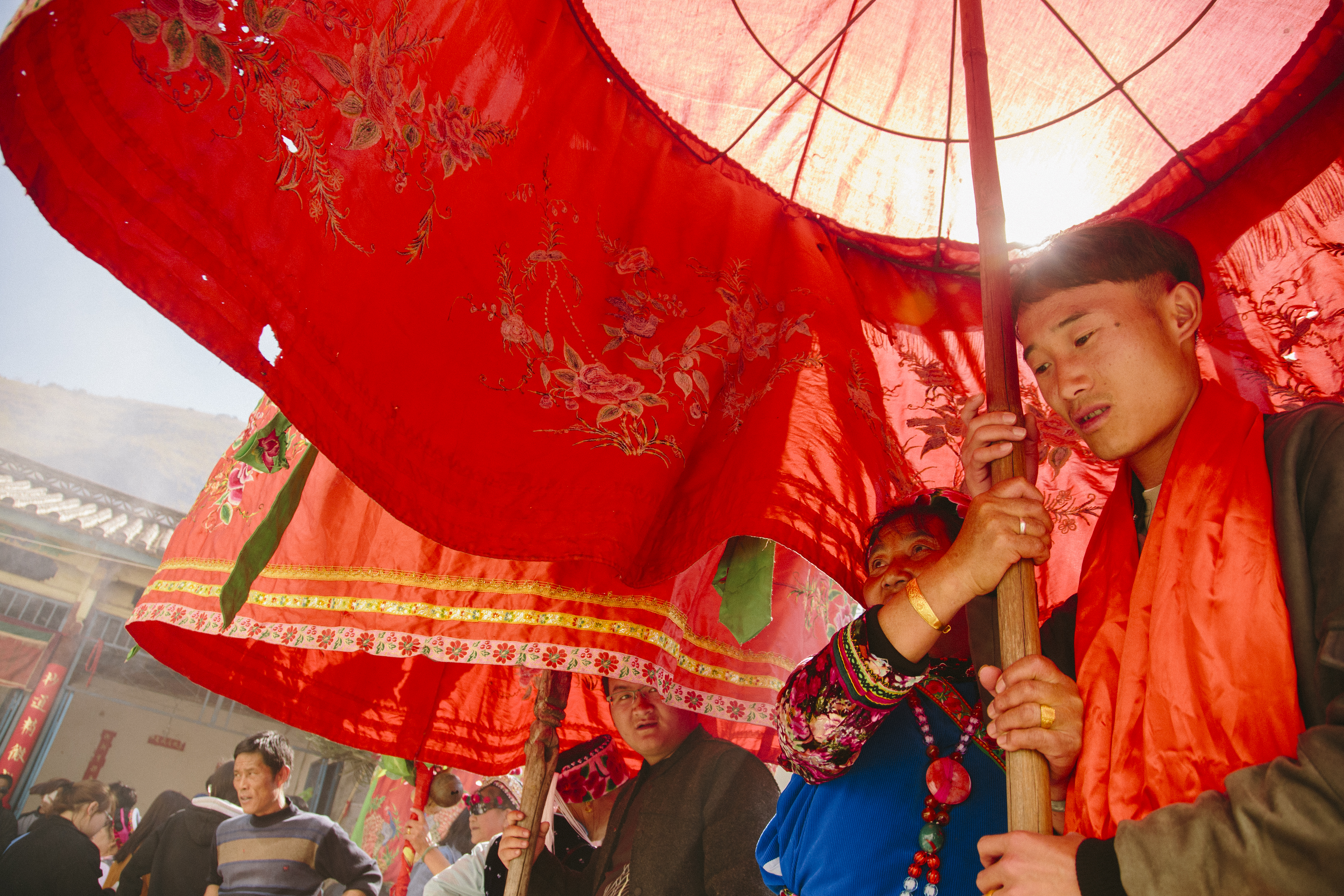
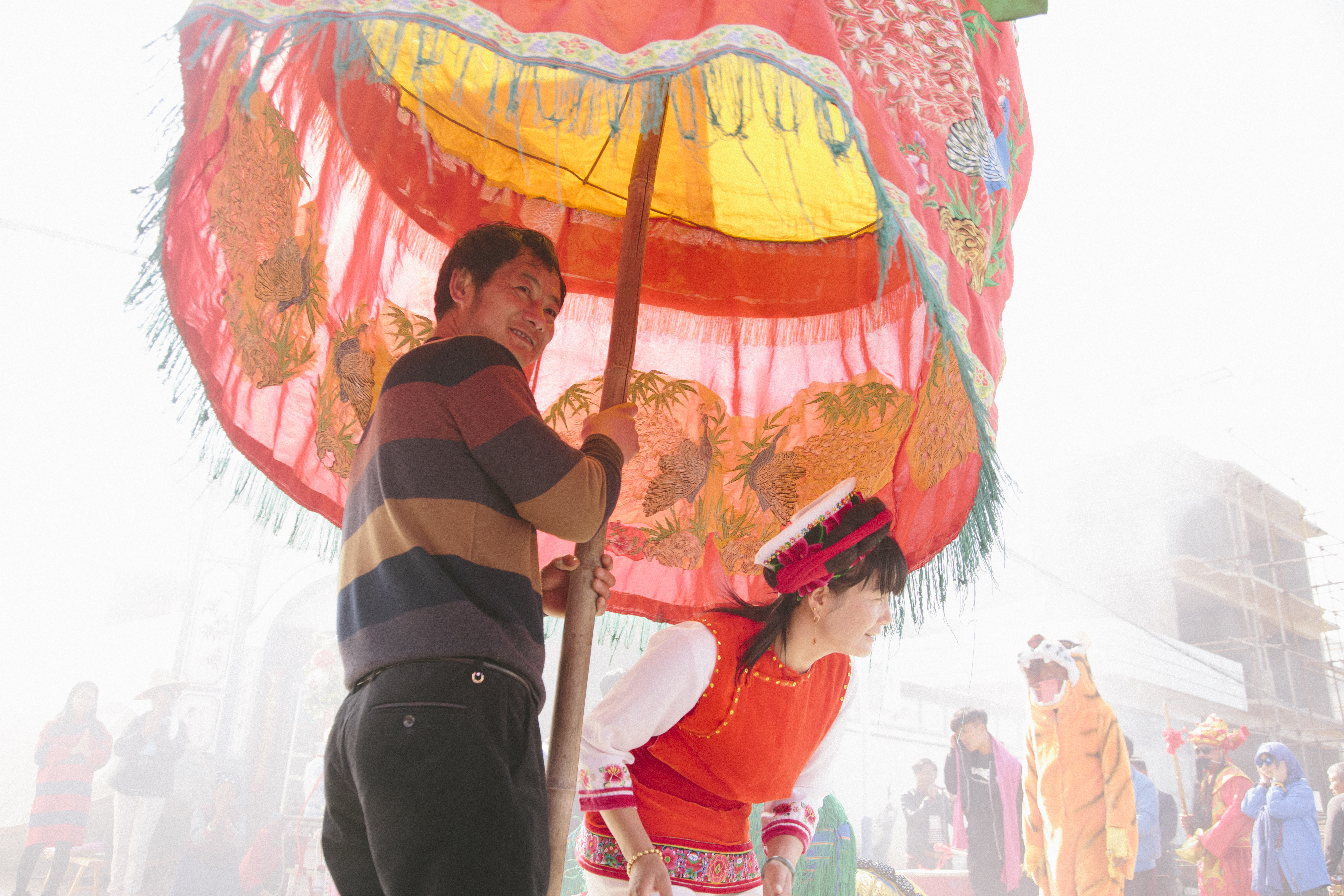
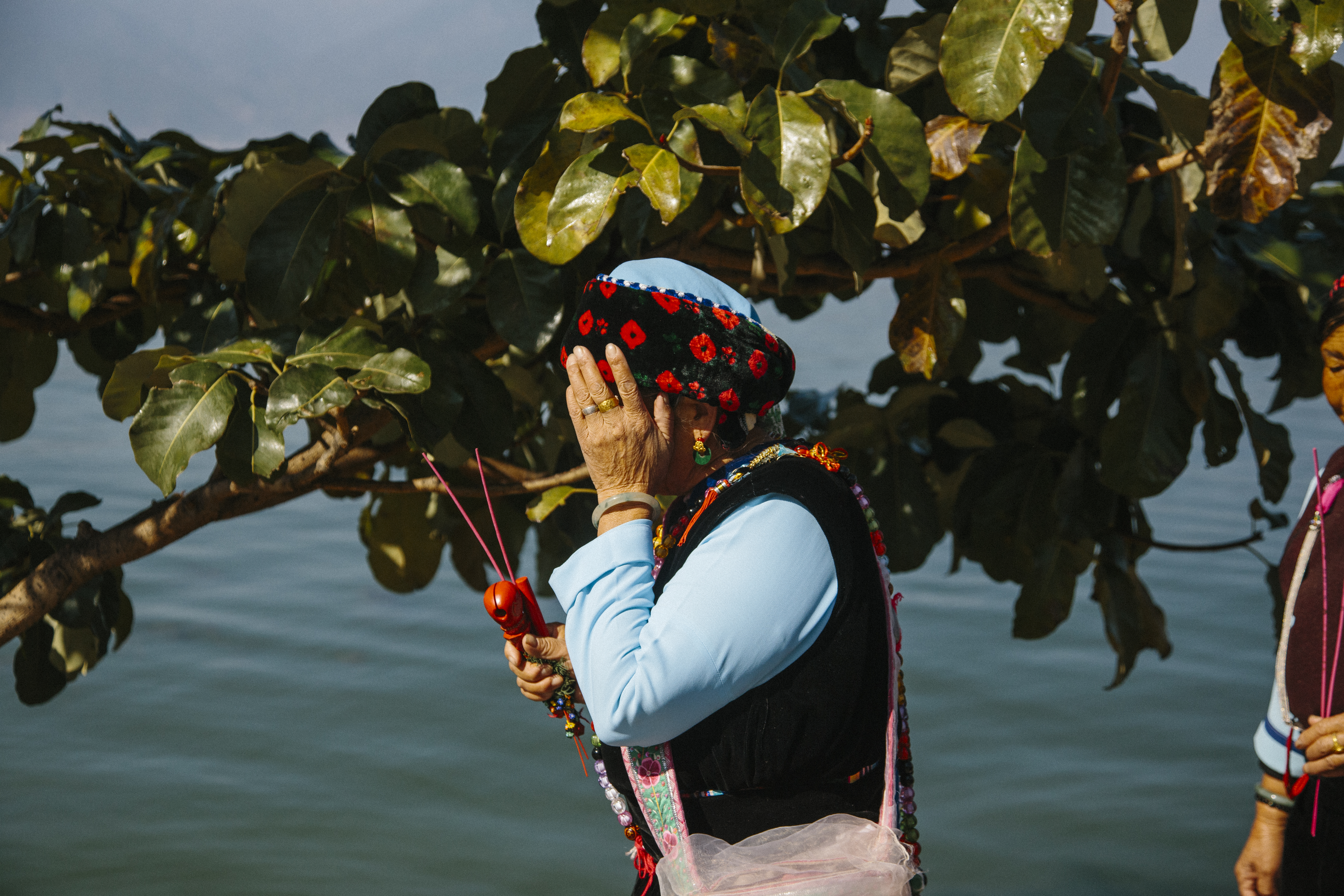
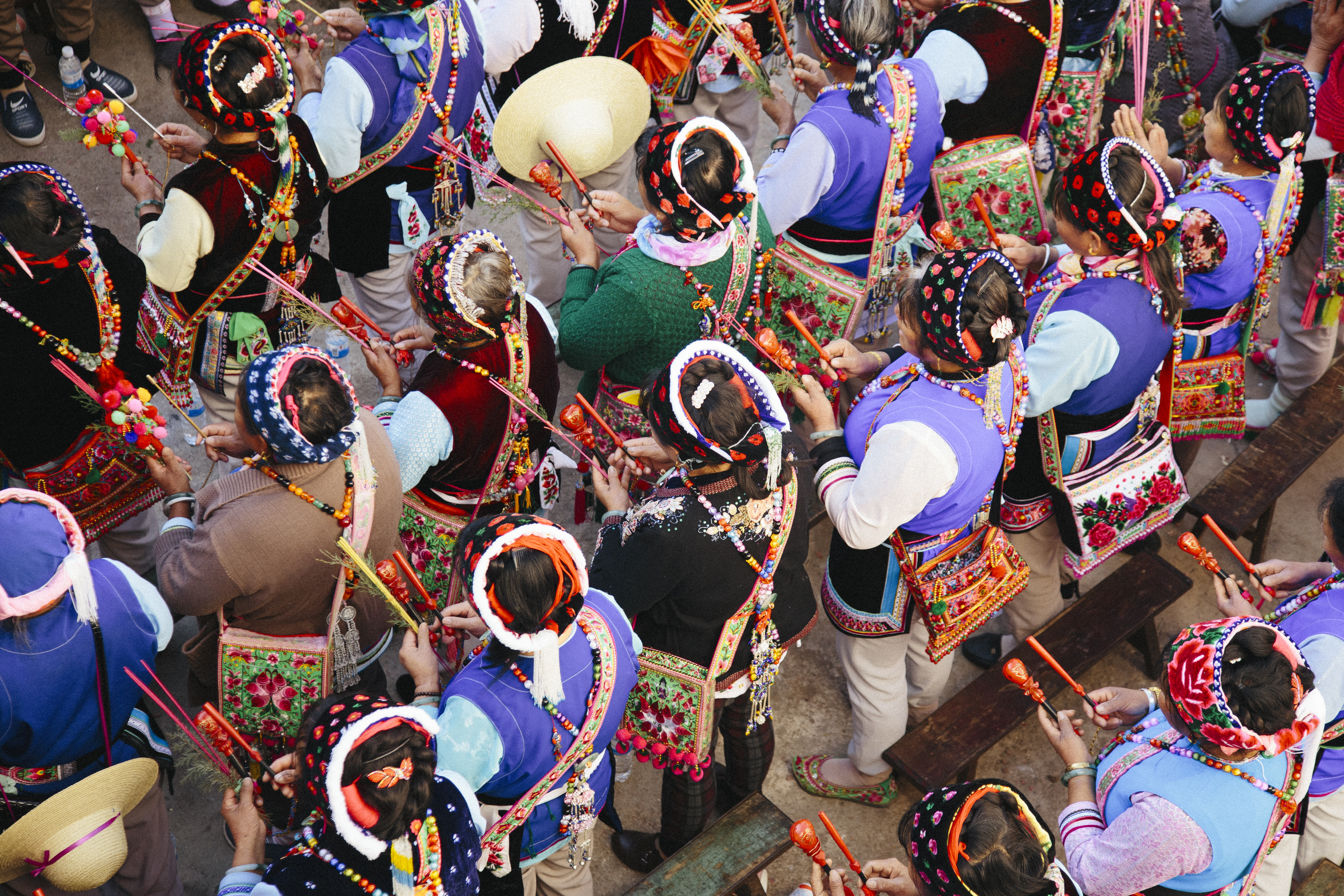
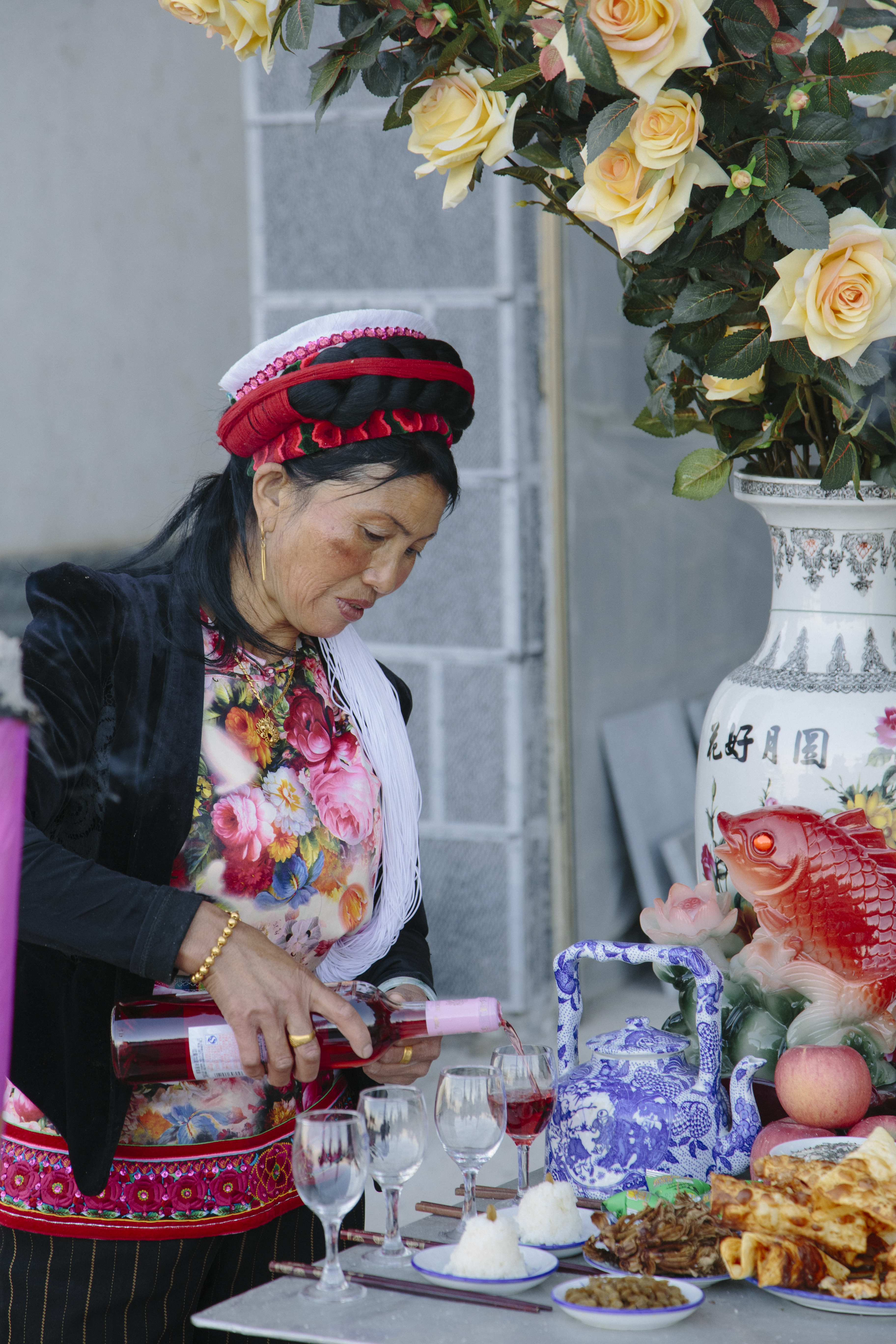
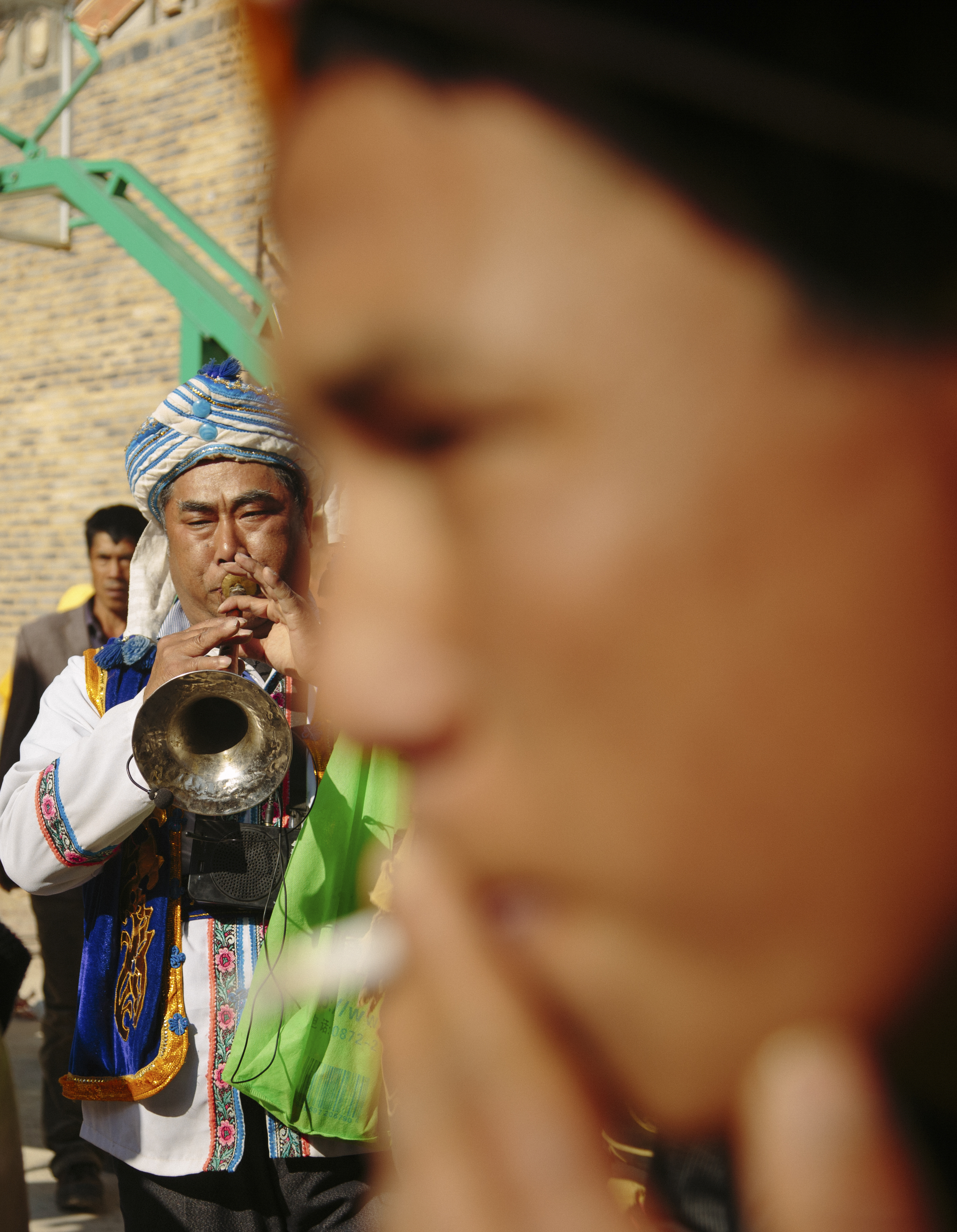
This project began in 2014 and now spans over a decade, tracing the Benzhu Festival and belief system of the Bai people in Dali, Yunnan, as well as the traditional cultures and rituals of other ethnic minorities in the region.
As a Bai who has long lived away from her hometown, I repeatedly ask myself: in contemporary society, can we still perceive the inner vitality and contradictions of minority cultures without slipping into exoticism? This question anchors the entire project.
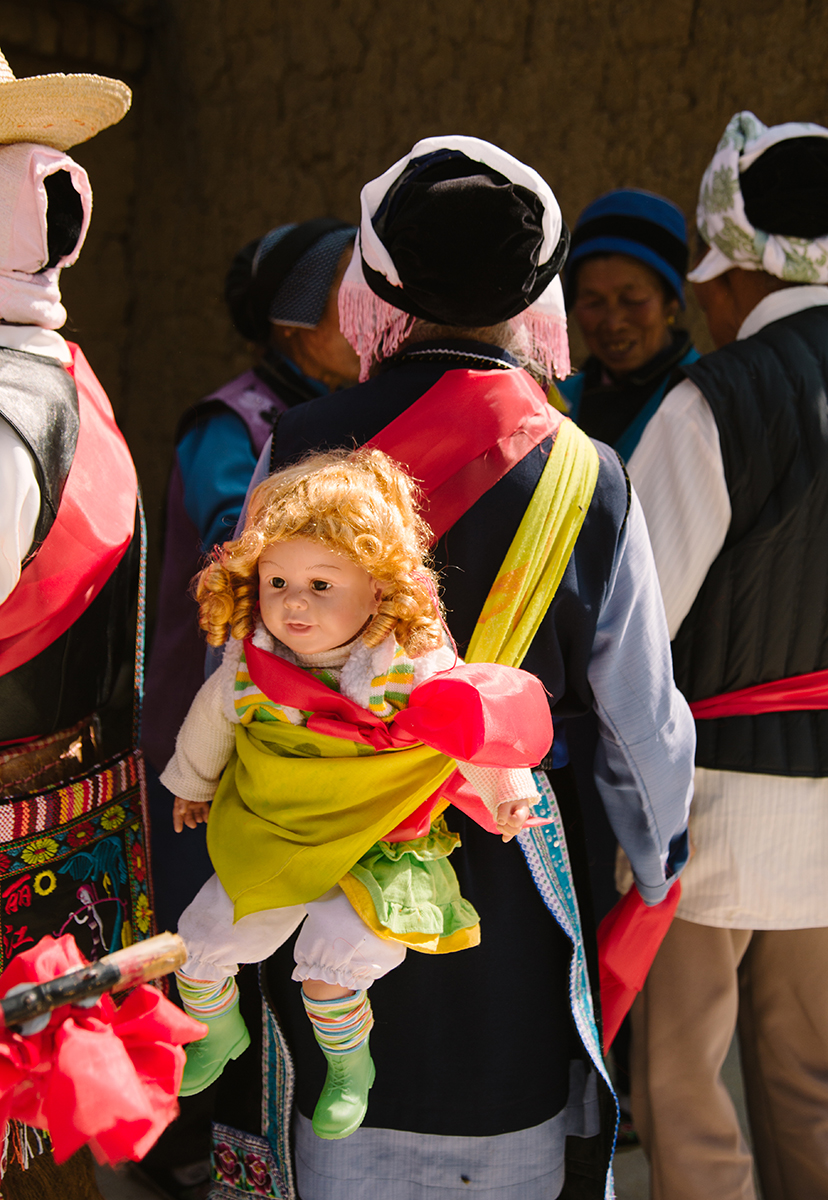
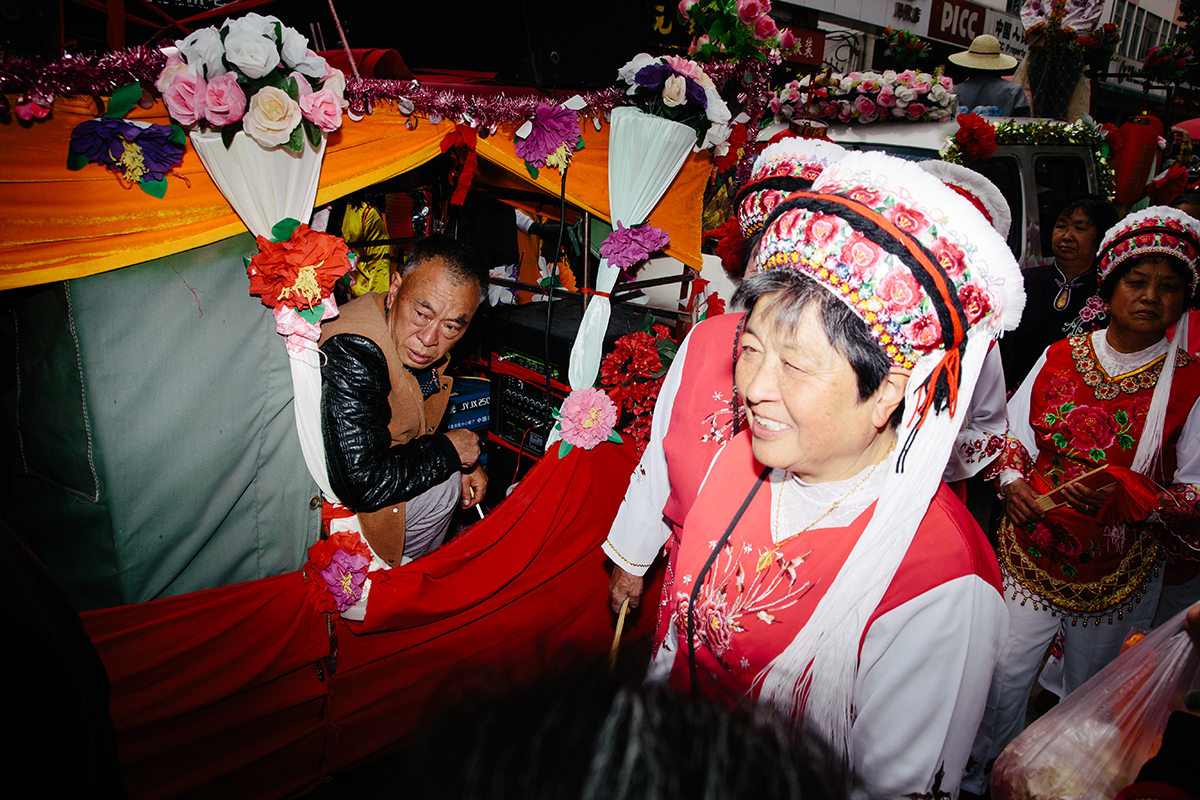
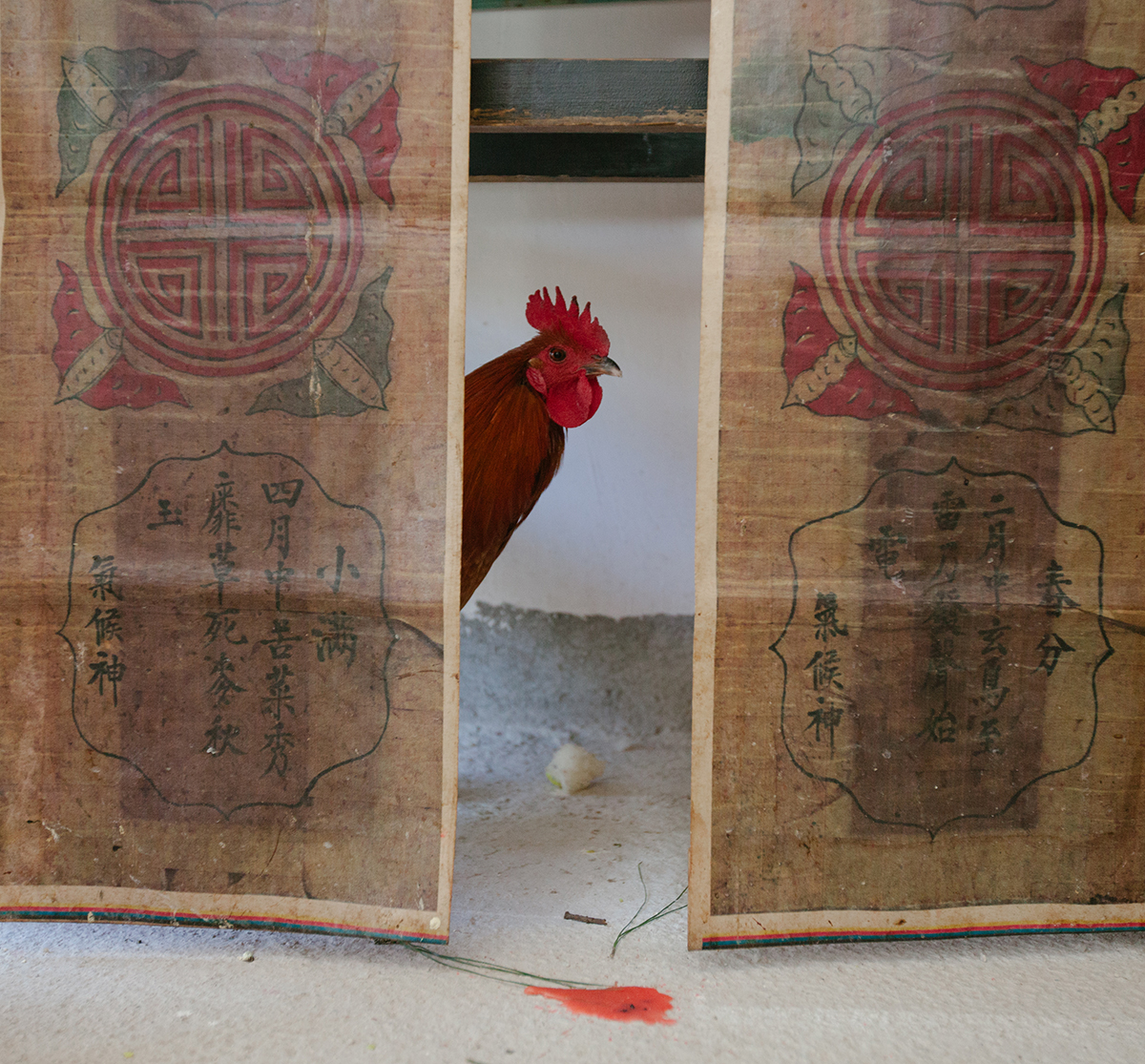
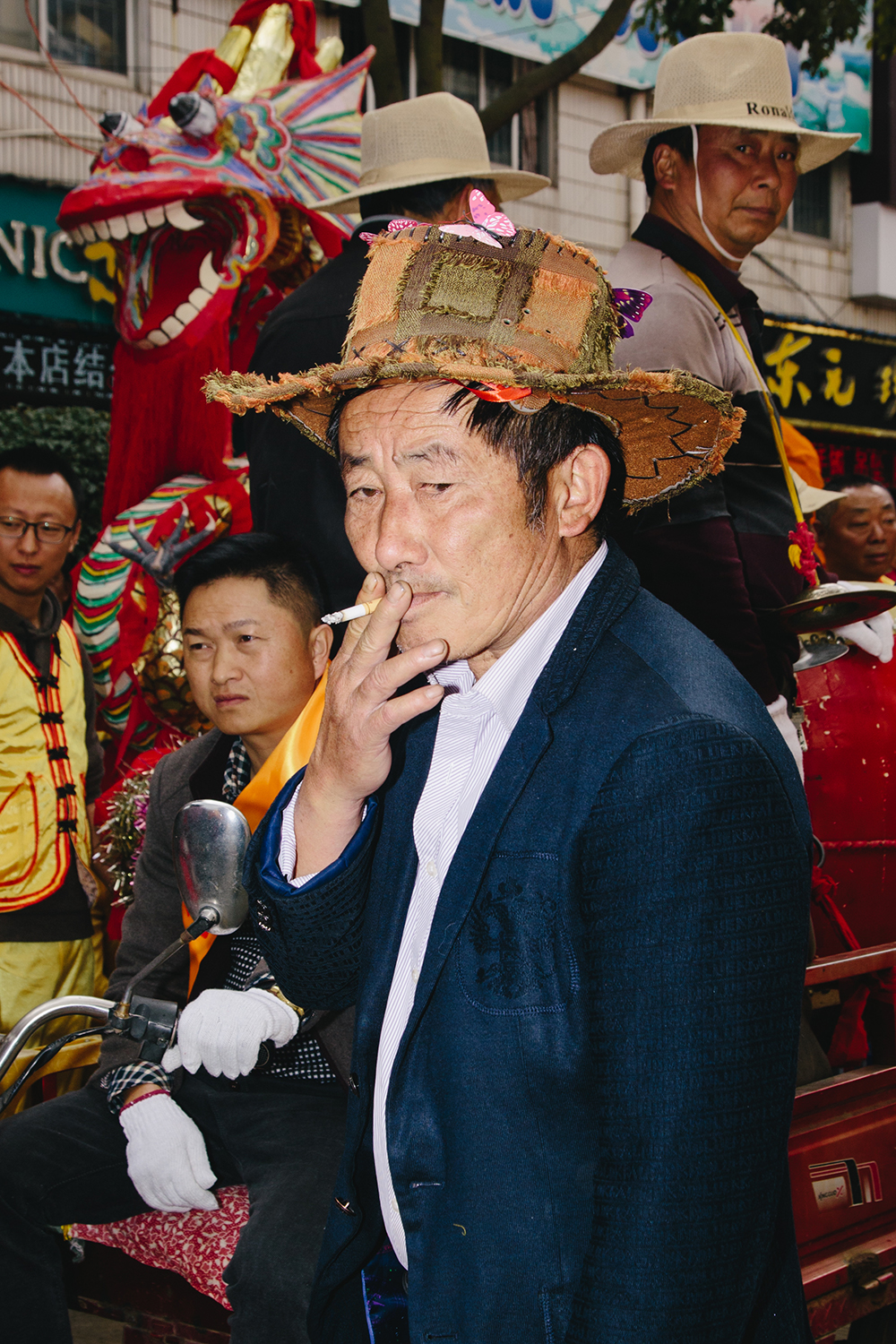
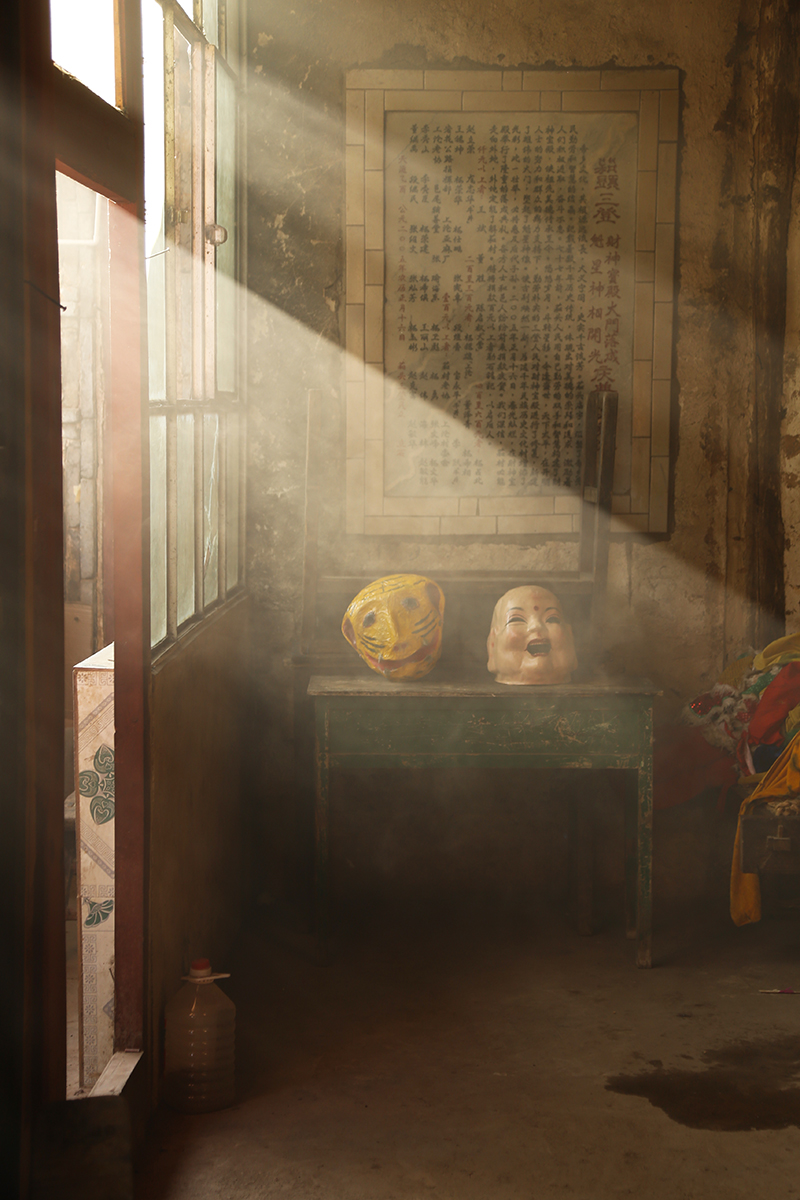
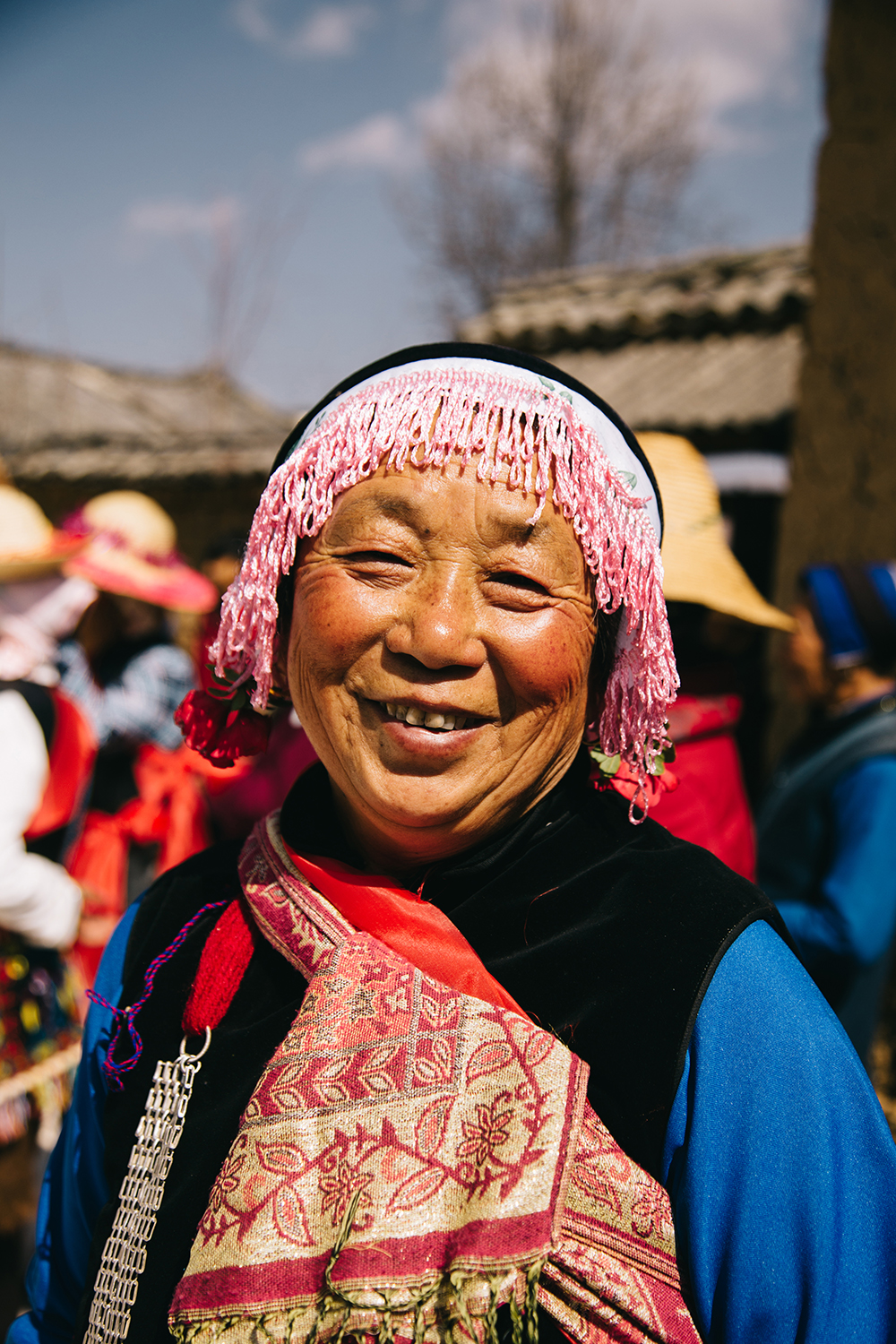
Through a visual language that intertwines the documentary with the symbolic, I place ritual scenes, everyday objects, natural landscapes, and portraits side by side. This approach constructs a narrative that reveals the deep interdependence between local religious practices and the lived realities of ethnic communities today.
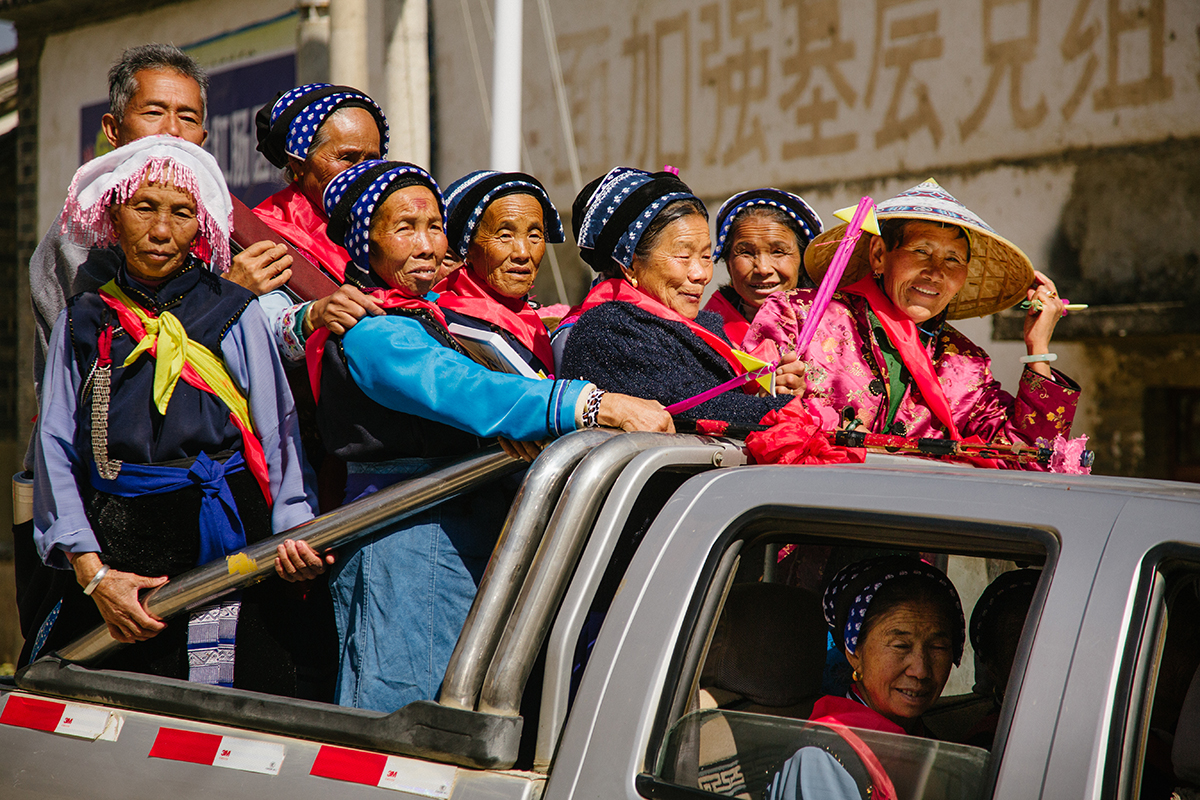
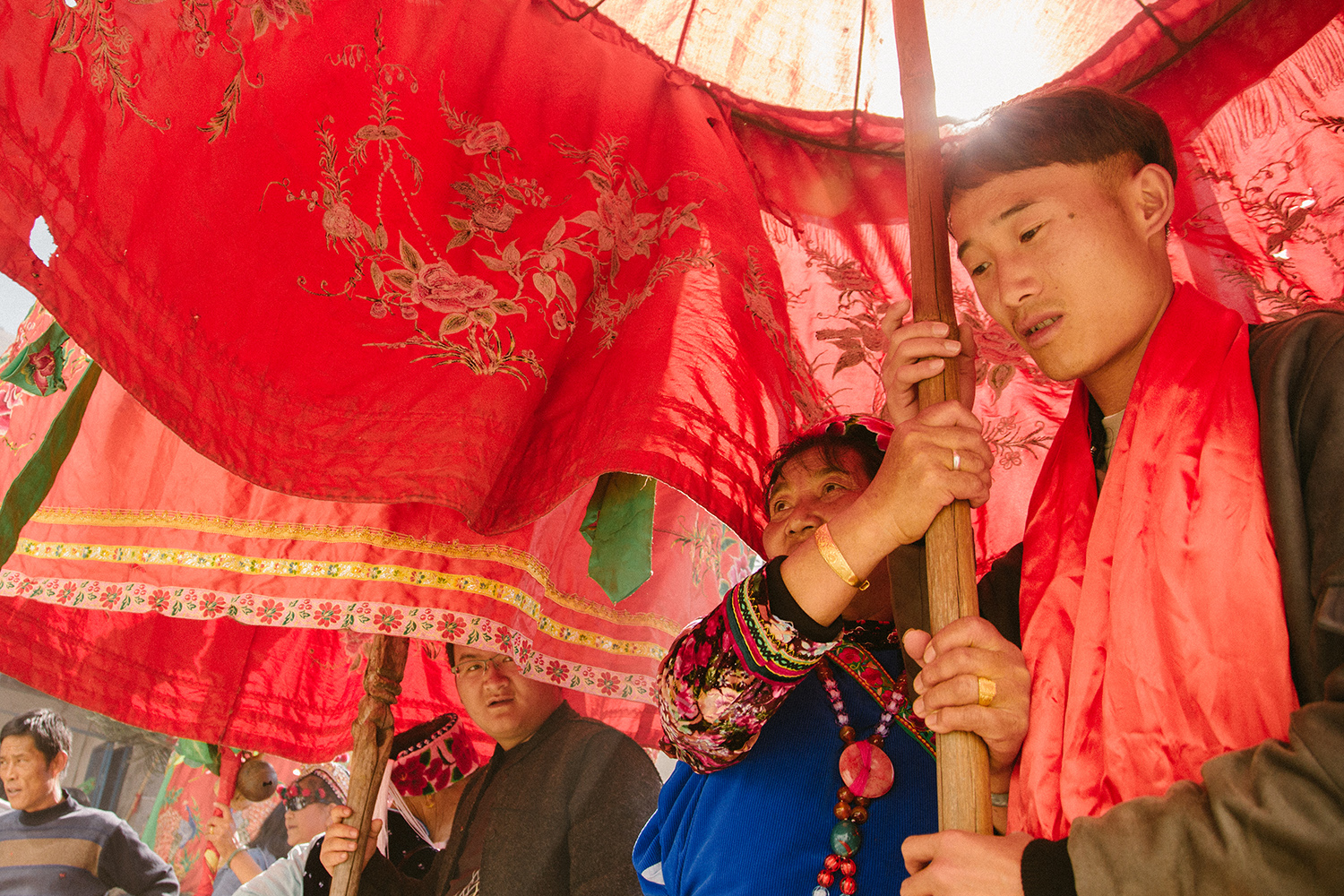
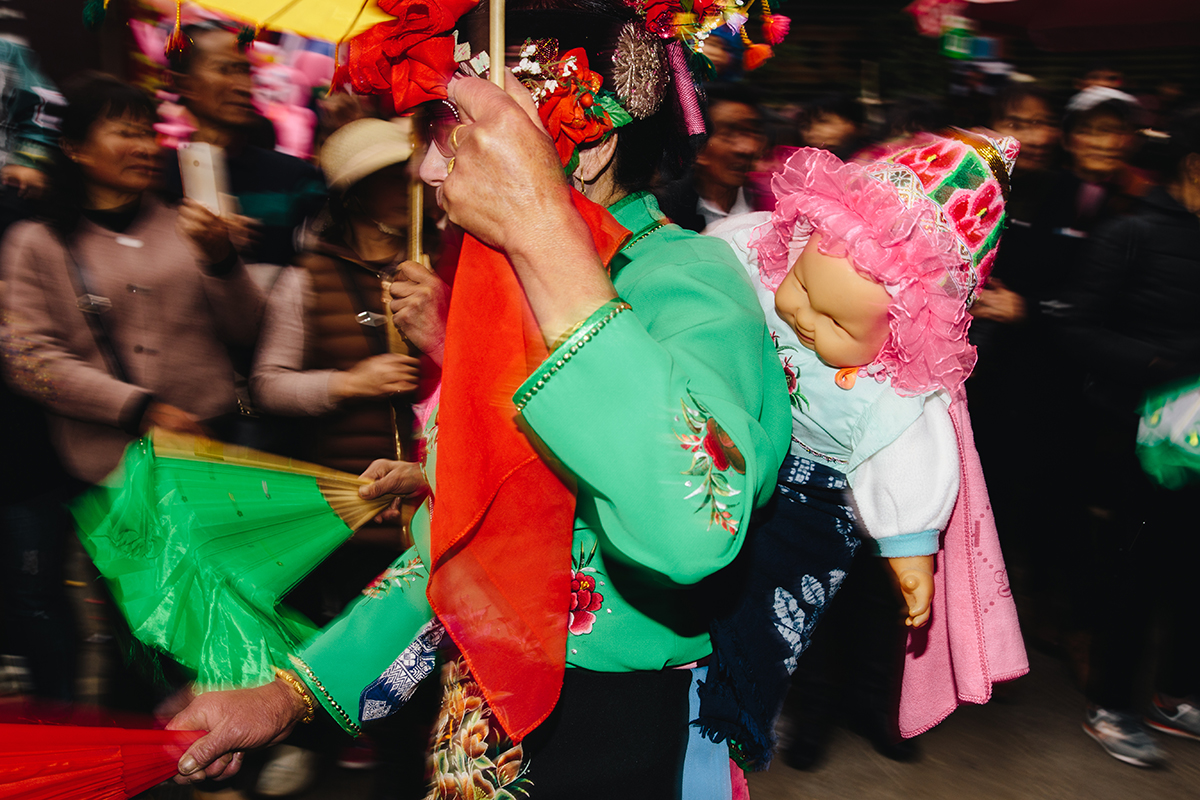
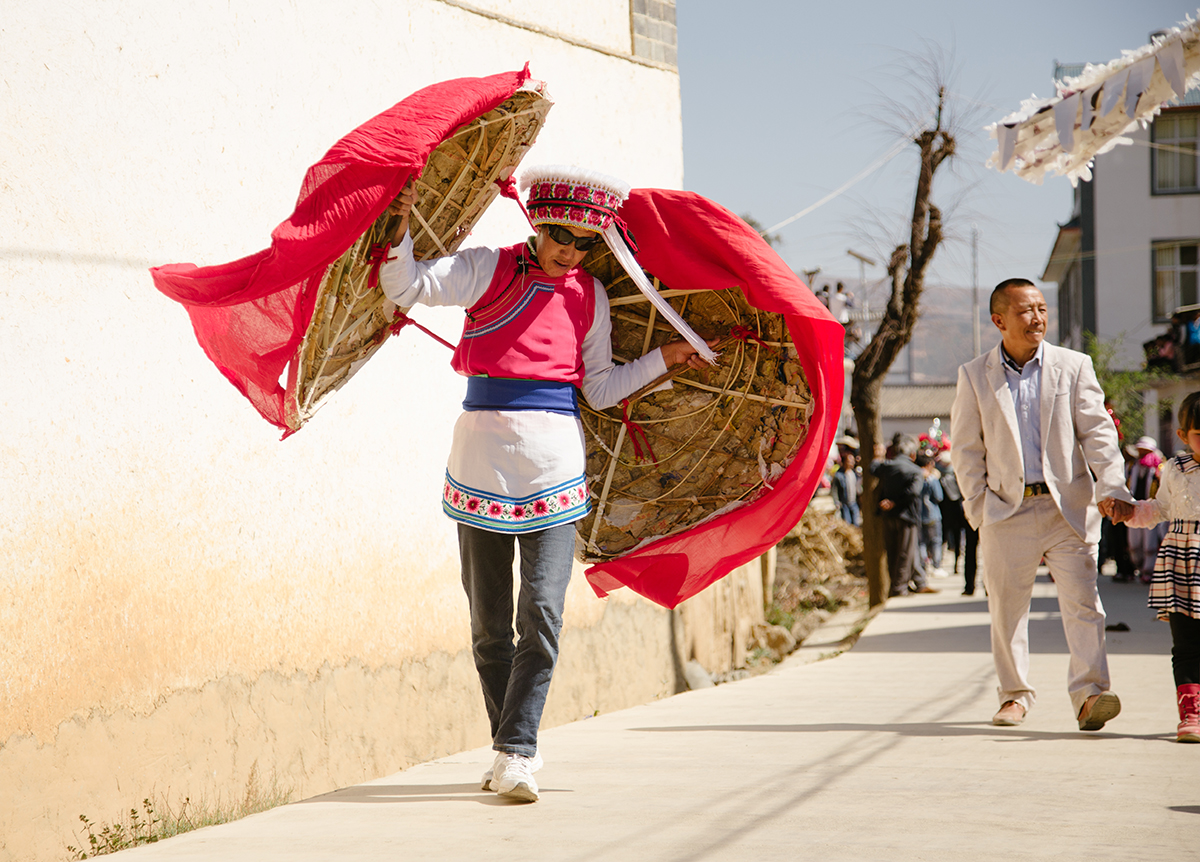
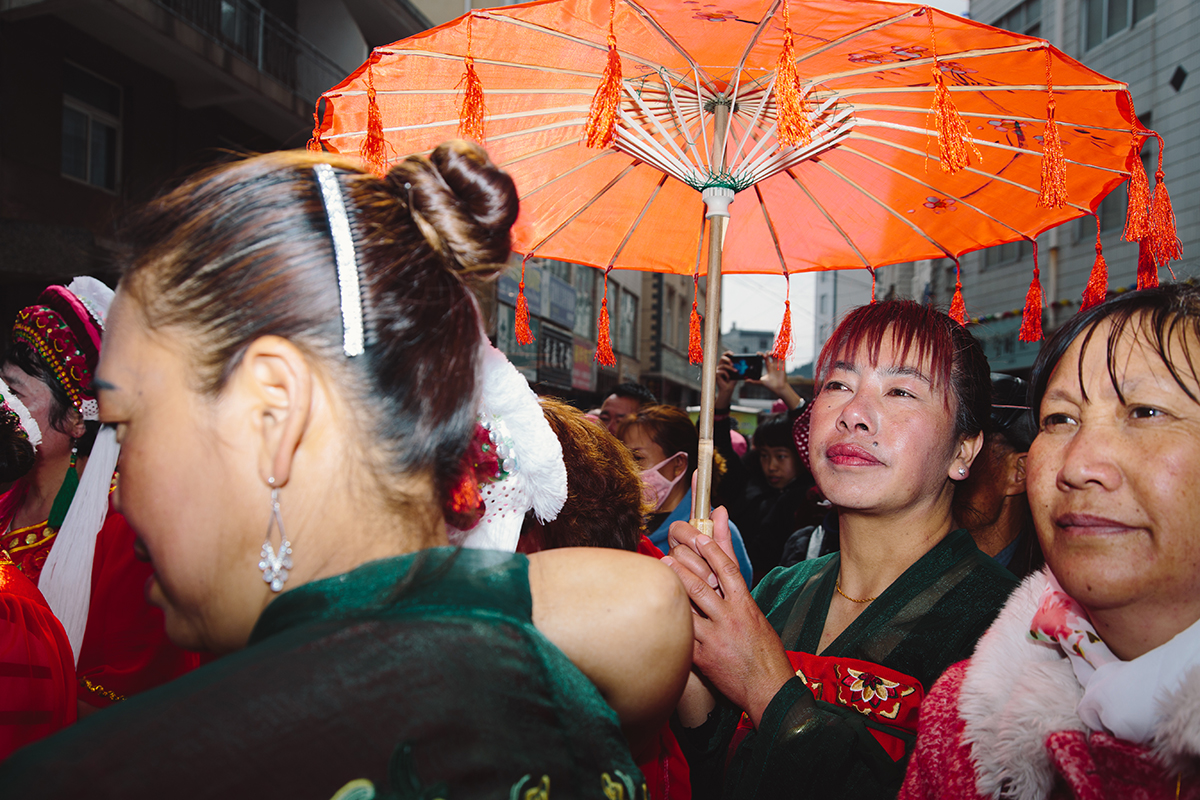
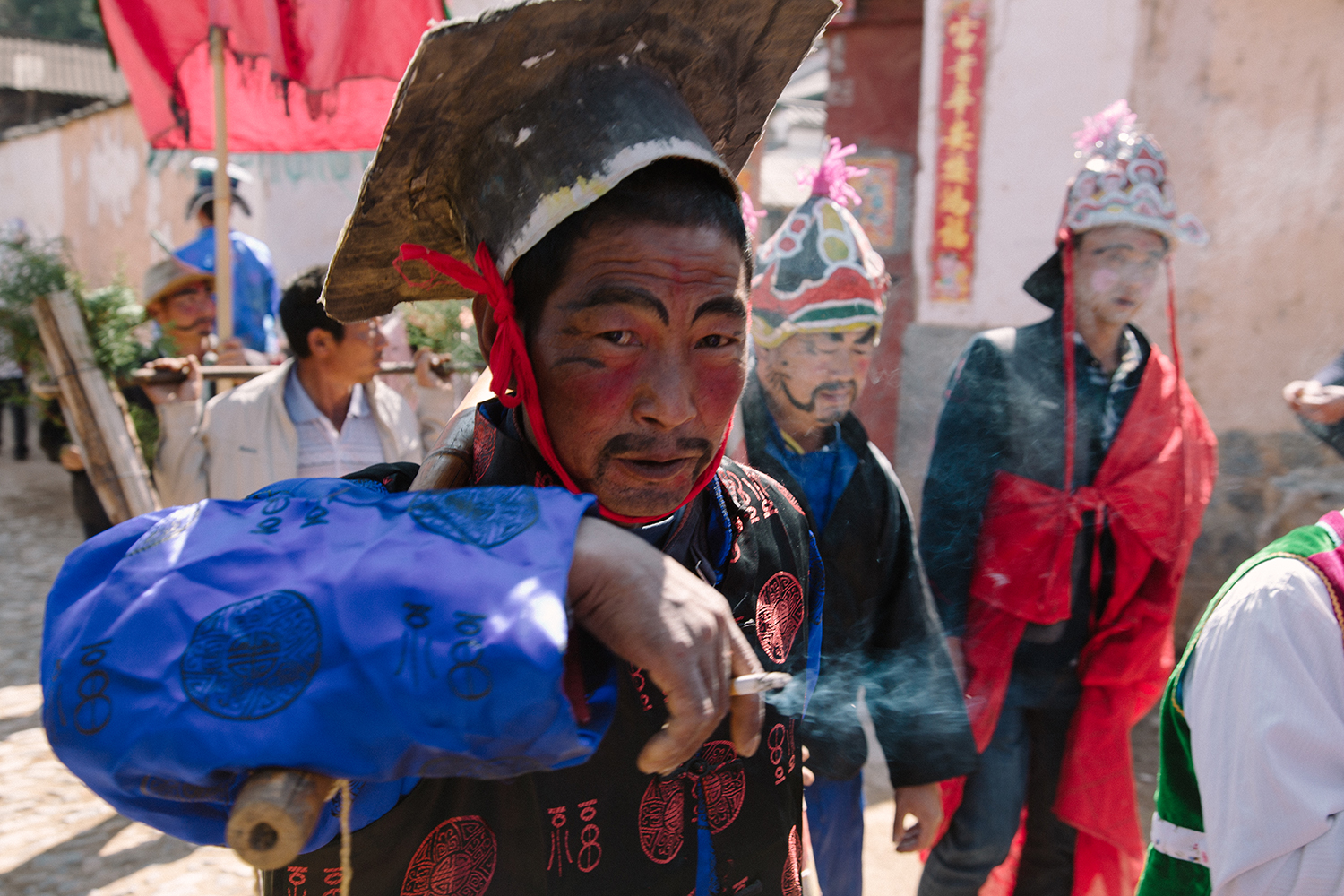
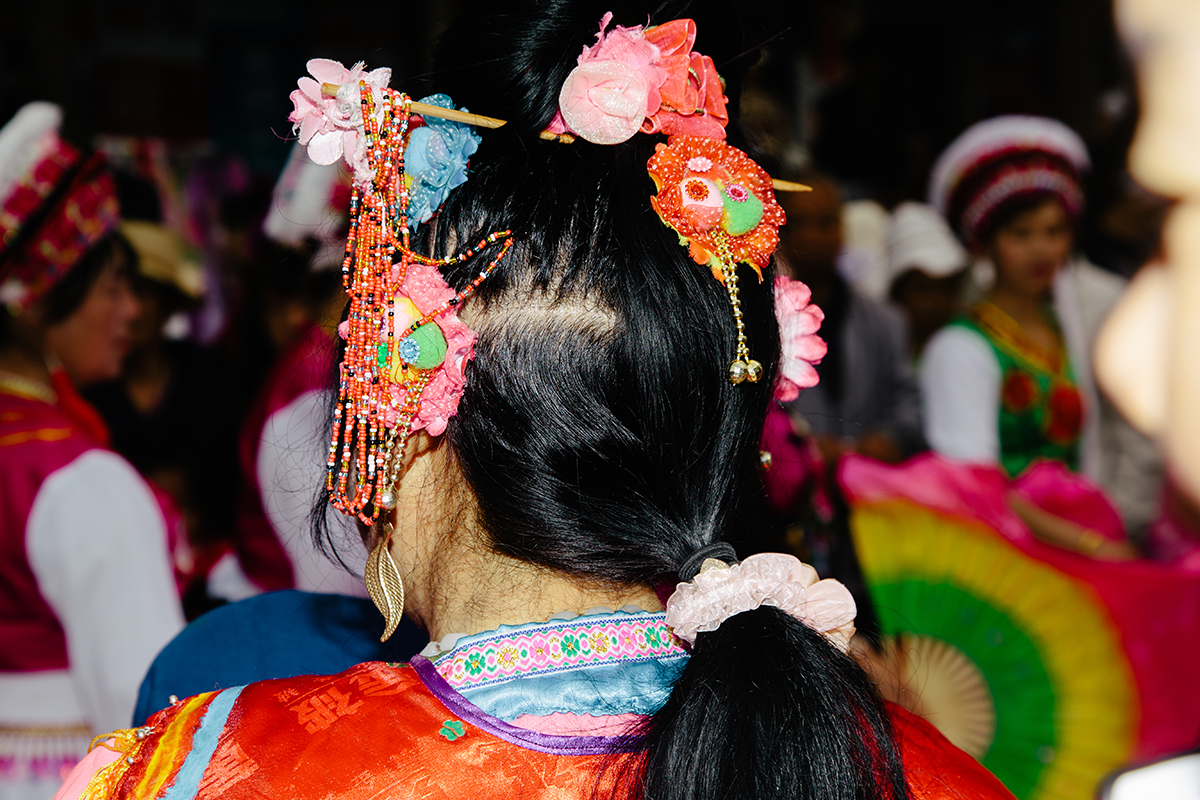
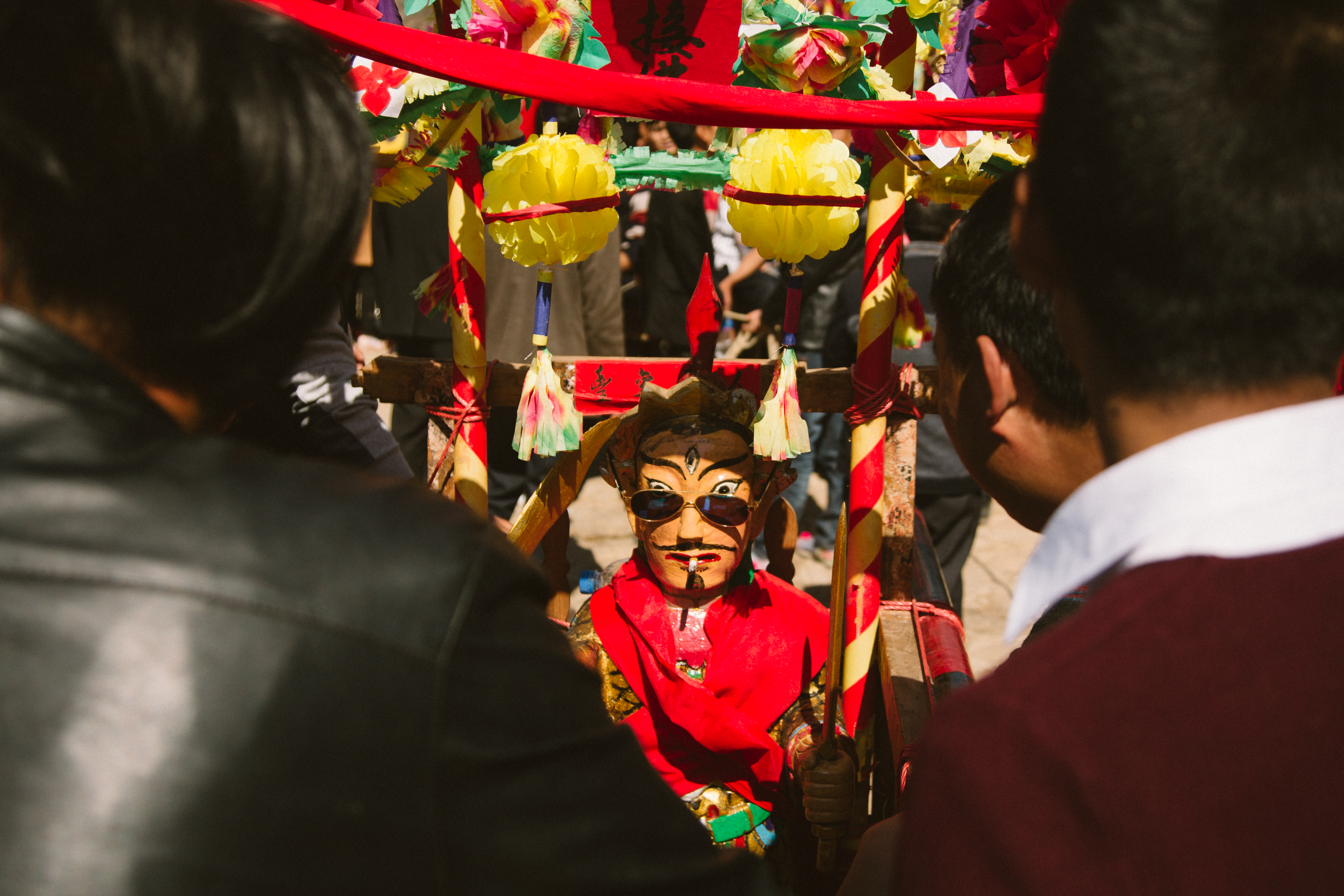
As one of the most important communal rituals in Bai villages, the Benzhu Festival is both a collective expression of faith and a hidden container for personal emotions and memories.
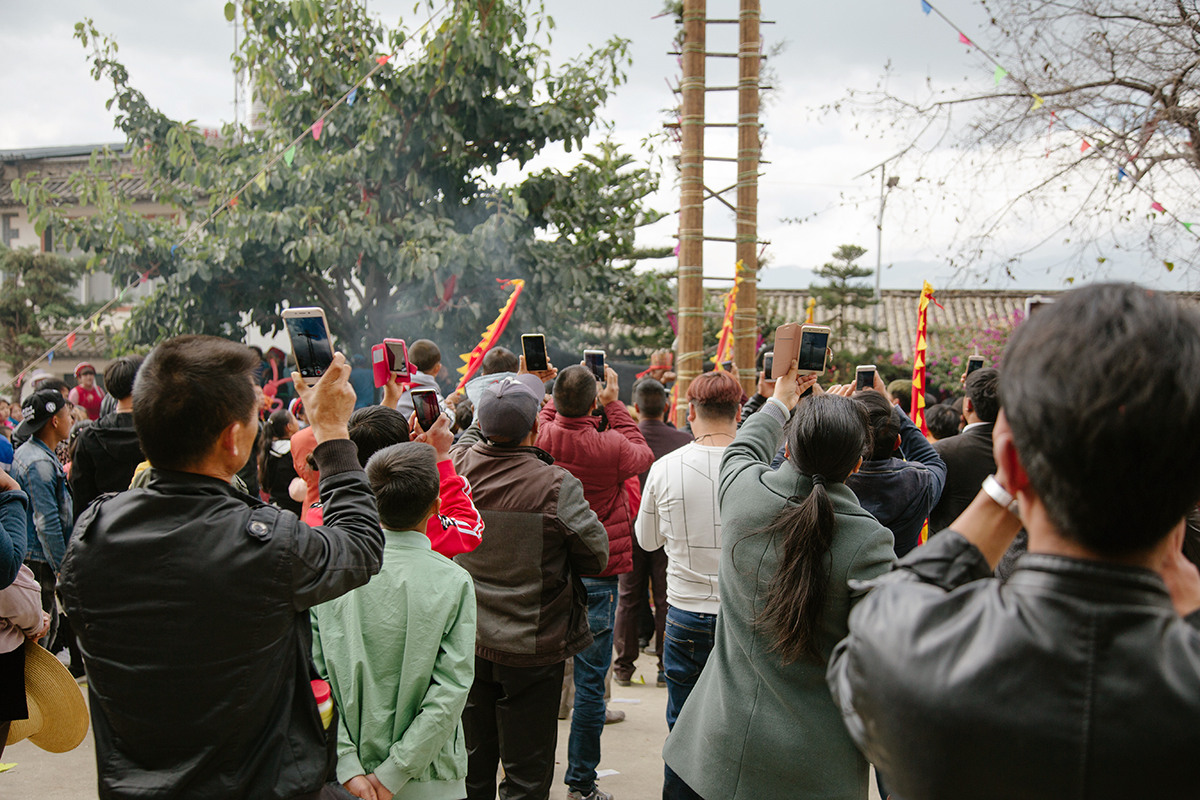
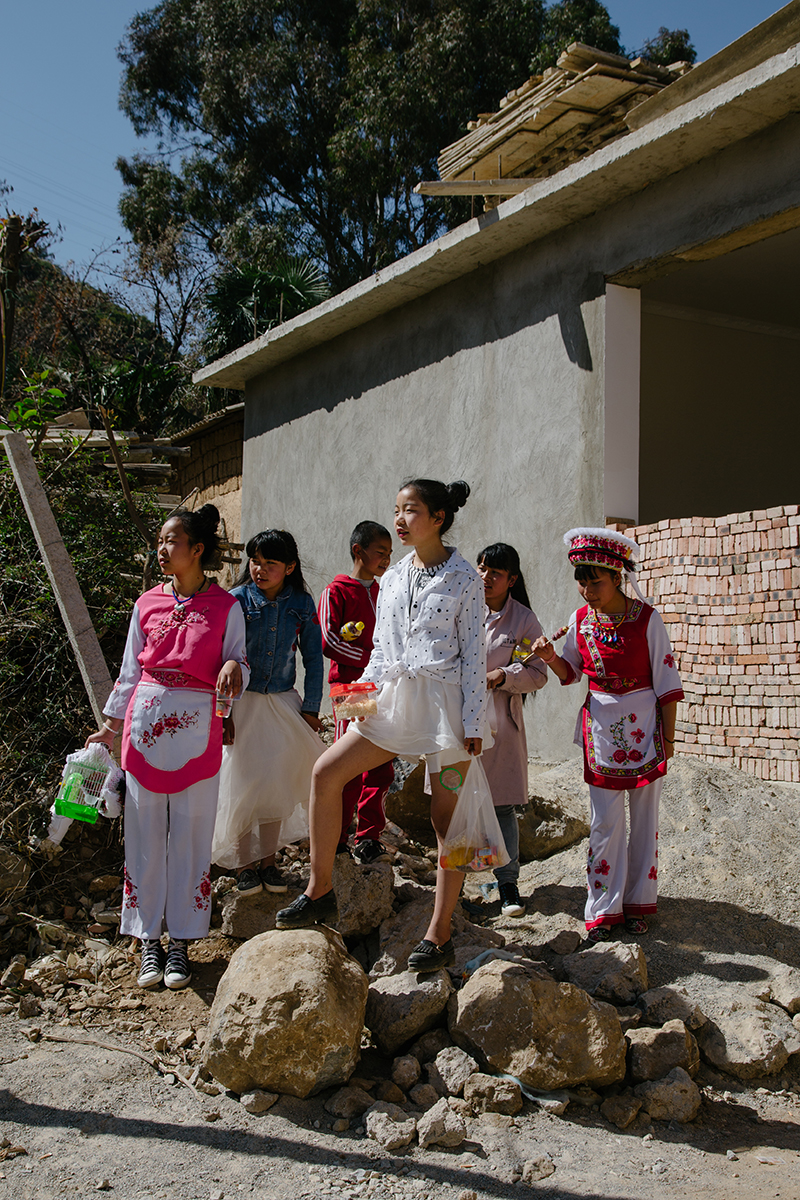
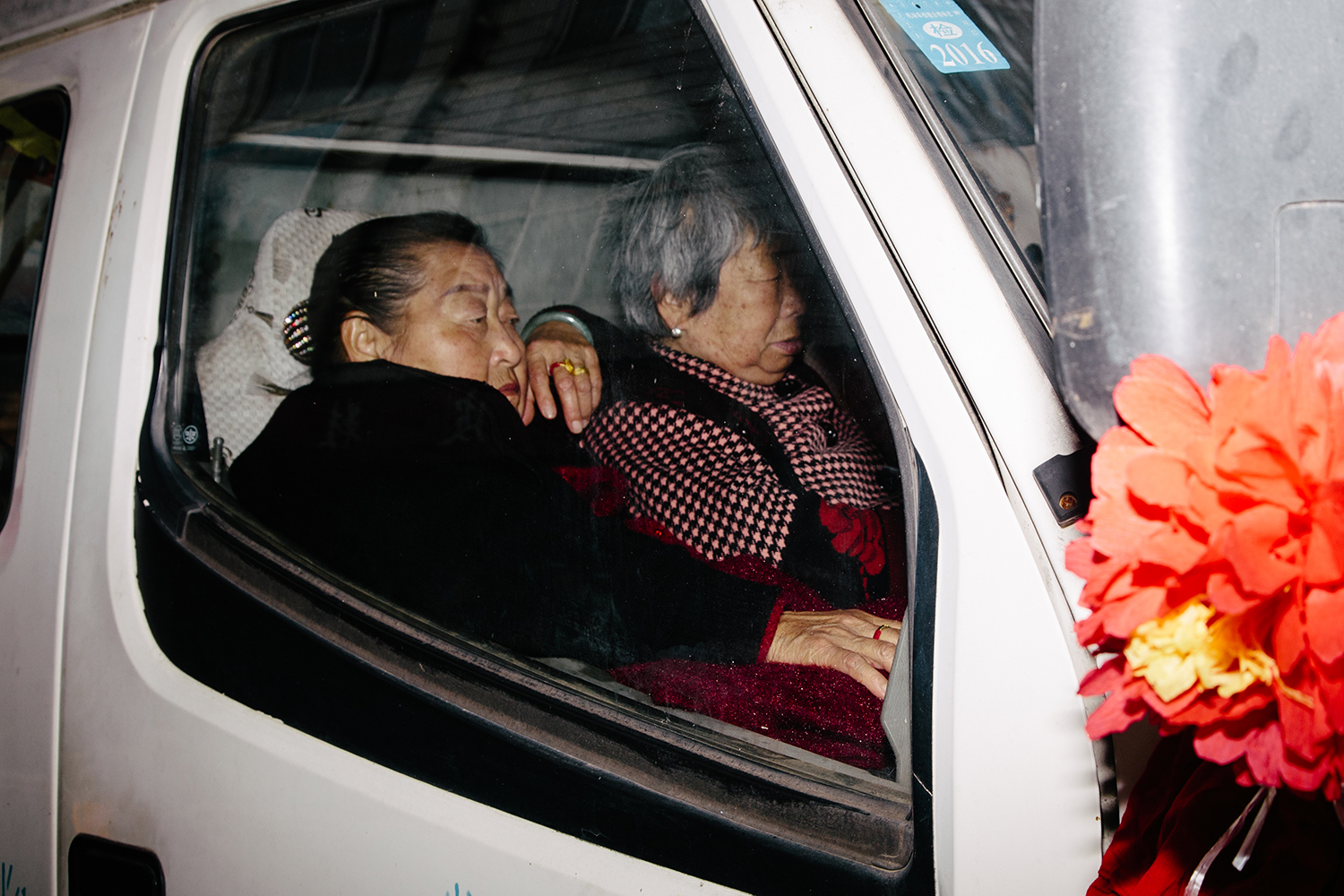
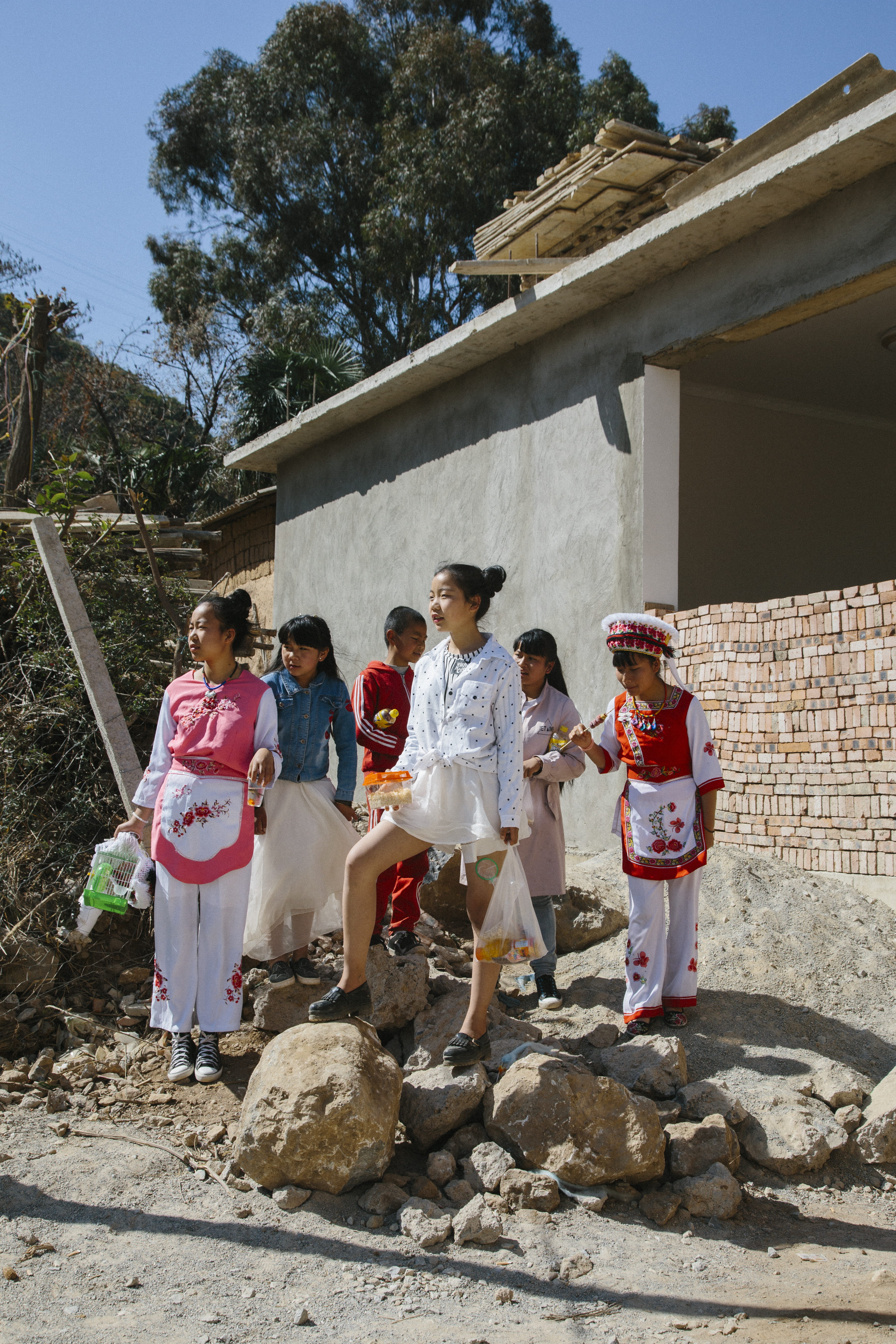
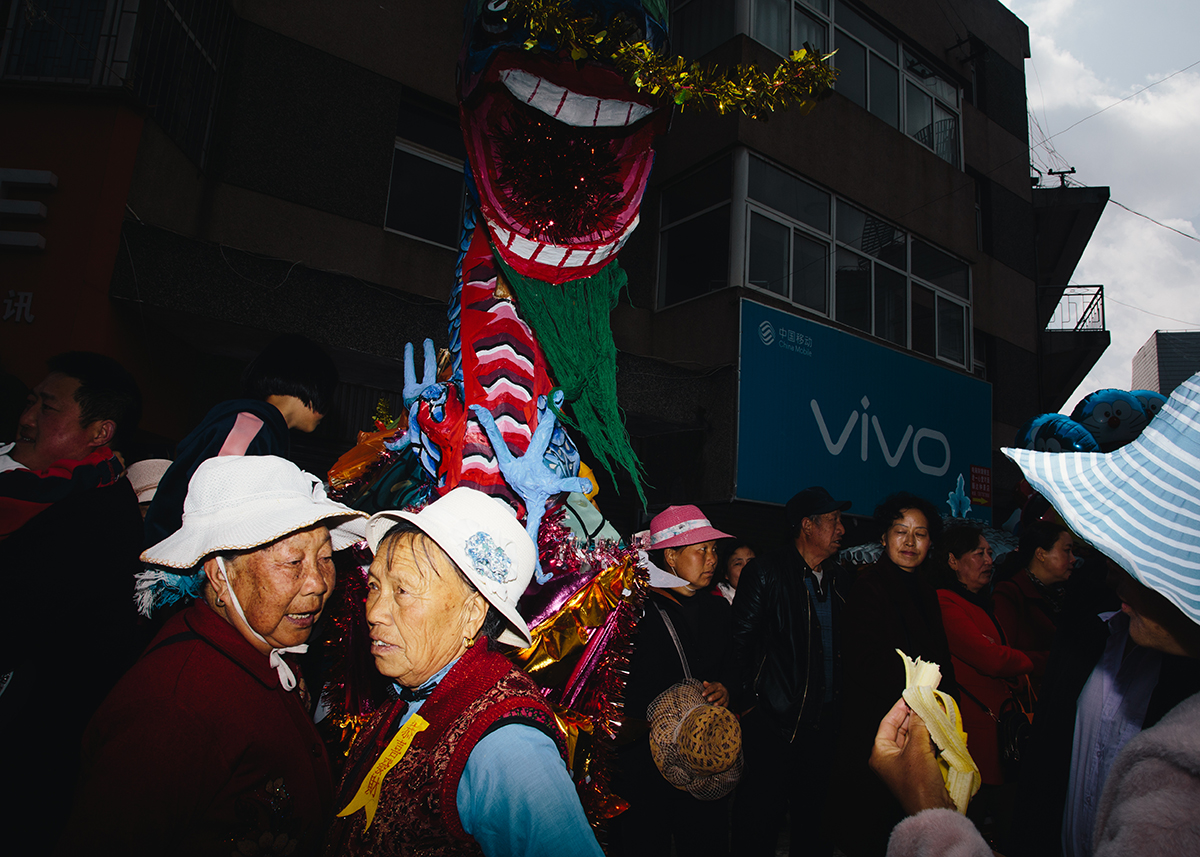
My lens moves between public and private dimensions: statues of deities, incense smoke, crowds in festive attire; but also moments of hesitation, solitude, and dislocation — particularly for younger generations navigating urbanization, distance, and conditional forms of belief.
In today’s context, traditional minority festivals face two competing pressures:
They are simultaneously reframed as “cultural heritage,” performed as ethnic spectacle, and yet remain genuine sites of identity, memory, and lived experience for local communities. I am interested in what emerges when belief retreats from the center of life and becomes a matter of selective inheritance. How do people reengage with their histories under these shifting conditions?
Dominant narratives often emphasize cultural otherness, while the authentic emotions of individuals are obscured beneath the celebratory surface. For me, documentary images should not function solely as anthropological records, but rather address contemporary questions: when tradition becomes performance—or even burden—where, within ourselves, do we place our faith?
Ultimately, what I hope to convey is not only the visual distinctiveness of Bai culture, but a deeper insight into the spiritual realities of ethnic communities in a globalized era — the forms of resistance, compromise, and creative transformation that shape their present. These processes point toward a more universal question: how do we coexist with our origins, and how do we sustain faith in a world that is constantly in flux?